Connecting your wallet to decentralized finance (DeFi) platforms is akin to opening a vault filled with digital assets and opportunities. First, it’s vital to verify compatibility between your wallet, like MetaMask or Trust Wallet, and the targeted DeFi platform. Following this, you’ll need to navigate the user interface to find the wallet connection option, authorizing your access while maintaining security protocols. Understanding the steps involved can greatly enhance your engagement with DeFi and manage your assets effectively.
Key Takeaways
- Ensure you have a compatible digital wallet, like MetaMask or Trust Wallet, that supports the DeFi protocol you intend to use.
- Follow the wallet provider’s installation process and securely back up your recovery phrase during the setup.
- Connect your wallet by selecting the wallet option on the DeFi platform and authorizing the connection through the wallet interface.
- Troubleshoot connection issues by checking wallet compatibility, clearing browser cache, and verifying stable internet connectivity.
- Always implement security measures, including strong passwords and regular software updates, to protect your wallet while using DeFi platforms.
Understanding Decentralized Finance (DeFi)
In recent years, Decentralized Finance (DeFi) has emerged as a revolutionary alternative to traditional financial systems, fundamentally transforming the way individuals engage with financial services. DeFi enables users to interact directly with financial protocols through blockchain technology, eliminating intermediaries.
Key features of DeFi include:
- Decentralized Lending: This allows you to borrow or lend assets peer-to-peer, often with better rates than traditional banks.
- Yield Farming: By providing liquidity to decentralized platforms, you can earn rewards in the form of interest, token incentives, or governance tokens.
Understanding these concepts allows you to navigate the DeFi ecosystem, maximizing your financial opportunities while minimizing risks. Engaging in DeFi involves operating within a transparent, secure environment governed by smart contracts, which automate transactions and enforce rules.
Choosing the Right Wallet for DeFi
Selecting the right wallet is a pivotal step in engaging with DeFi platforms effectively, as the wallet serves as your primary interface for managing your digital assets, executing transactions, and interacting with smart contracts. When making your choice, consider essential wallet features that affect your user experience.
- Security: Look for wallets offering high-level encryption and backup options.
- Usability: A user-friendly interface guarantees smooth navigation and transaction processing.
- Compatibility: Verify the wallet supports a wide range of tokens and DeFi protocols.
- Integration: Some wallets seamlessly connect with various DeFi applications, enhancing functionality.
- Community Support: Active development and user communities can provide valuable assistance.
Installing and Setting Up Your Digital Wallet
To start installing and setting up your digital wallet, you first need to choose the type of wallet that best meets your needs, whether it’s a hardware wallet for enhanced security or a software wallet for convenient access. Once you’ve made your selection, follow the step-by-step installation process provided by the wallet provider, ensuring to pay attention to your wallet’s settings, backup options, and recovery phrases. Finally, implement security best practices such as enabling two-factor authentication and updating your software regularly to protect your assets against potential threats.
Choosing a Wallet Type
When you decide to engage with DeFi platforms, choosing the right wallet type is essential for securing your digital assets and facilitating transactions. Wallets generally fall into three categories: software wallets, hardware wallets, and paper wallets.
| Wallet Type | Key Features | Security Level |
|---|---|---|
| Software Wallet | User-friendly, easy access, mobile support | Medium |
| Hardware Wallet | Offline storage, enhanced security, durable | High |
| Paper Wallet | Completely offline, cost-effective, no hacking risk | Very High |
Each wallet type offers unique features, such as transaction ease, multi-currency support, and recovery options. Evaluating these features will help you select a wallet that best fits your DeFi strategy and asset management needs.
Step-by-Step Installation
Installing and setting up your digital wallet is a crucial step in accessing DeFi platforms, and it typically involves several straightforward phases. To guarantee wallet compatibility and optimize your user experience, follow these steps:
- Download your chosen wallet app from a reputable source.
- Create a new wallet, making sure to securely back up your recovery phrase.
- Add any required personal information necessary for the setup.
- Connect your wallet to a DeFi platform through their interface.
Security Best Practices
Ensuring the security of your digital wallet is essential after installation, particularly as it acts as the gateway to your DeFi interactions. To protect your assets, adopt these security best practices:
- Two-Factor Authentication (2FA): Enable 2FA for an added layer of security, requiring both your password and a unique code.
- Private Key Management: Never share your private keys; store them securely offline.
- Phishing Prevention: Always verify links before clicking, and only download wallets from official sources.
- Wallet Encryption: Utilize wallet encryption to safeguard your data.
- Backup Strategies: Regularly back up your wallet information in multiple secure locations.
- Secure Connections: Use a VPN and avoid public Wi-Fi.
- Device Security: Keep your devices secure with antivirus software.
- Firmware Updates: Regularly update your wallet and device firmware for ideal security.
Accessing DeFi Platforms
To access DeFi platforms, you first need to choose a compatible digital wallet that aligns with the specific protocols of the platforms you intend to use. Once you’ve selected your wallet, connecting it to the chosen DeFi platform typically involves guiding through the platform’s interface, locating the wallet connection option, and authorizing the connection through your wallet’s interface. This process guarantees that you have seamless access to various decentralized services, enabling you to manage your assets effectively.
Choose Compatible Wallet
When accessing DeFi platforms, selecting a compatible wallet is essential for ensuring smooth transactions and secure asset management. Not all wallets support every DeFi protocol, so understanding wallet compatibility is crucial. Here are some wallet options that commonly work well with DeFi platforms:
- MetaMask: A widely-used browser extension that supports Ethereum-based applications.
- Trust Wallet: A mobile wallet that provides access to various blockchain assets and tokens.
- Ledger: A hardware wallet offering enhanced security features for your digital assets.
- Coinbase Wallet: A user-friendly wallet ideal for beginners, allowing easy interaction with multiple DeFi services.
Connect to DeFi Platform
Having selected a compatible wallet, you’re now ready to connect it to your chosen DeFi platform. This integration process involves overcoming wallet connectivity challenges, which may arise from network issues or compatibility discrepancies. Once connected, you’ll be able to utilize various DeFi services.
Here are some common DeFi integration techniques to follow:
| Technique | Description |
|---|---|
| Direct Wallet Connection | Utilize browser extensions for seamless access. |
| QR Code Scanning | Scan QR codes for quick wallet pairing. |
| Wallet Connect Protocol | Leverage WalletConnect for interoperability among platforms. |
Connecting Your Wallet to a DeFi Platform
Connecting your wallet to a DeFi platform is an essential step in steering through the world of decentralized finance, as it allows you to interact with various financial services and protocols without relying on traditional banking systems. Understanding different wallet integration methods can help you optimize DeFi wallet performance, enhancing your user experience.
- Confirm your wallet is compatible with the DeFi platform.
- Use secure wallet options, such as hardware wallets for increased protection.
- Follow the prompt on the DeFi platform for a seamless connection process.
- Regularly update your wallet software to maintain security and efficiency.
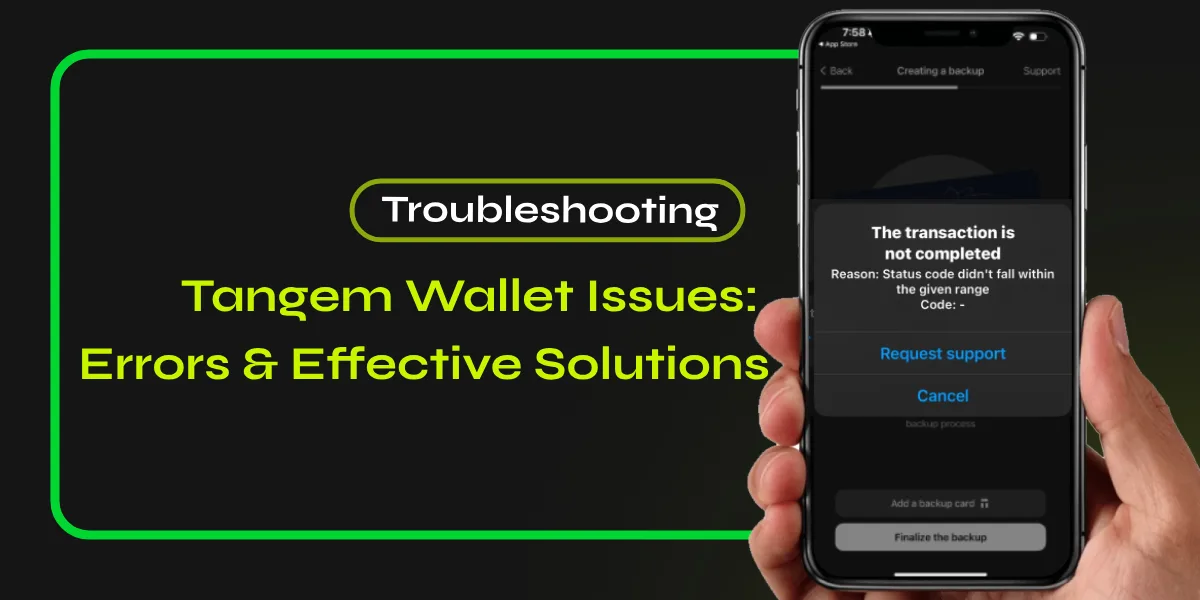
Troubleshooting Connection Issues
Despite following the connection steps to the DeFi platform, users may encounter various connection issues that hinder their ability to utilize the services. Identifying the root cause of these connection errors is essential for resolution. Here are some common troubleshooting steps:
- Check Wallet Compatibility: Verify your wallet supports the specific DeFi platform. Not all wallets are compatible with every platform.
- Browser Issues: Try clearing your browser cache or switching to a different browser to eliminate potential conflicts.
- Extension Conflicts: Disable other browser extensions that might interfere with the wallet connection.
- Network Problems: Verify your internet connection and confirm that the DeFi platform is operational by checking their status page.
Addressing these common issues can greatly enhance your overall experience in decentralized finance.
Best Practices for Wallet Security in DeFi
How can you guarantee the security of your wallet when engaging with DeFi platforms? Here are some essential practices to enhance your wallet’s safety:
- Implement strong password management: Use unique, complex passwords for each account, and leverage a password manager for efficiency.
- Utilize multi-signature wallets: These require multiple approvals for transactions, greatly reducing the risk of unauthorized access.
- Regularly update your software: Keep your wallet and associated applications updated to protect against newly discovered vulnerabilities.
- Beware of phishing attempts: Always verify URLs and communicate only on official platforms to avoid scams that may compromise your wallet.
Frequently Asked Questions
What Types of Cryptocurrencies Can I Store in My Wallet?
You can store various cryptocurrencies in your wallet, depending on its functionalities. Most wallets support tokens like Bitcoin, Ethereum, and many altcoins. Make sure to check which specific tokens your wallet supports before storing.
Are There Fees Associated With Connecting My Wallet to Defi Platforms?
Yes, connecting your wallet to DeFi platforms often incurs transaction costs, which vary by network. Don’t worry too much, though—most wallets are compatible with multiple platforms, potentially easing the overall expense managed through different protocols.
Is My Personal Information Shared When Using Defi Platforms?
No, your personal information isn’t shared when you use DeFi platforms. They prioritize privacy concerns and data protection, allowing you to engage without exposing sensitive details. Always guarantee you’re using reputable platforms for enhanced security.
Can I Connect Multiple Wallets to a Single Defi Platform?
You can have multiple wallets connected to a single DeFi platform, making it easier for you to manage your assets. Just check the wallet compatibility and verify you’re comfortable with multi wallet management features available.
How Can I Recover a Lost Access to My Wallet?
You can recover a lost access to your wallet by using wallet recovery phrases or backup keys. Make certain you follow security measures, like enabling two-factor authentication, to protect your wallet from future issues.
Conclusion
Connecting your wallet to DeFi platforms is an essential step in accessing a world of financial opportunities. By ensuring the compatibility of your wallet, following installation procedures, and carefully guiding through connection prompts, you can effectively manage your digital assets. Remember to troubleshoot any issues promptly and prioritize your wallet’s security, as this will safeguard against potential vulnerabilities. As you immerse yourself in this modern financial frontier, keep your knowledge and tools sharp, much like an artist with a well-honed brush.