Connecting hardware wallets to DeFi platforms requires careful consideration of various technical aspects. Individuals must verify compatibility between the hardware wallet and the DeFi platform, ensuring that features such as USB or Bluetooth connectivity are operational. Regular firmware updates enhance security, while meticulous management of private keys is essential. Users should also evaluate transaction settings and platform reputations. Understanding these elements provides a foundation for secure engagement with DeFi, prompting further exploration into best practices and potential risks.
Key Takeaways
- Check that the DeFi platform is compatible with your hardware wallet before proceeding with the connection.
- Follow a systematic step-by-step guide to ensure seamless integration between your wallet and the DeFi platform.
- Ensure your wallet’s firmware is updated to the latest version for enhanced security and connection stability.
- Use a reliable connection method, such as USB or Bluetooth, to link your hardware wallet to the DeFi platform efficiently.
- Review the DeFi platform’s reputation and security features to safeguard your assets during connection.
Understanding Hardware Wallets and Their Importance in DeFi
Understanding the complexities of financial technology becomes particularly significant in decentralized finance (DeFi), where security and accessibility are paramount. Hardware wallets, designed to store cryptocurrency offline, offer essential advantages in this sector. Primarily, their importance of security cannot be overstated; they safeguard private keys from potential online threats, such as hacking or phishing attempts. Key hardware wallet advantages include:
- Isolation: By storing keys offline, they minimize exposure to internet vulnerabilities.
- User Control: They allow users direct control over their assets without reliance on third-party services.
- Multi-asset Support: Many hardware wallets accommodate various cryptocurrencies, enhancing flexibility.
Types of Hardware Wallets Compatible With Defi Platforms
Several types of hardware wallets are designed to seamlessly interface with DeFi platforms, providing users with secure access to decentralized applications and services. Among the most prevalent are the Ledger Nano and Trezor Model wallets, both known for their security features and user-friendly design.
- Ledger Nano:
- Supports over 1,800 cryptocurrencies.
- Utilizes a secure chip (CC EAL5+) for storing private keys.
- Offers Bluetooth compatibility for mobile DeFi apps.
- Trezor Model:
- Supports over 1,600 cryptocurrencies.
- Features a user-friendly touchscreen interface.
- Employs passphrase entry and PIN protection for enhanced security.
Both wallets enable users to interact with various DeFi platforms while ensuring the integrity of their private keys and assets.
Setting Up Your Hardware Wallet for DeFi Use
To effectively utilize a hardware wallet for DeFi interactions, users must undertake a systematic approach to setup, guaranteeing that their devices are properly configured for security and functionality. Essential components of effective hardware wallet integration include:
| Component | Description |
|---|---|
| Firmware Update | Verify the wallet has the latest security updates, reducing vulnerabilities. |
| Seed Phrase Backup | Securely store the recovery phrase in multiple, safe locations to prevent loss. |
| Connection Method | Utilize USB or Bluetooth for reliable connectivity with DeFi platforms. |
Adhering to these specifications not only enhances the hardware wallet integration but also notably improves the DeFi user experience by minimizing risks associated with unauthorized access and loss of assets, thereby allowing seamless interactions within the decentralized finance ecosystem.
Choosing the Right DeFi Platform for Your Investments
Selecting the appropriate DeFi platform for investments necessitates a thorough evaluation of various critical factors to guarantee both security and usability. Key considerations include the assessment of security features such as multi-signature support and smart contract audits, an extensive comparison of the assets supported by each platform, and the user interface‘s overall usability, which can considerably impact the user experience. By systematically analyzing these elements, investors can make informed decisions that align with their financial objectives.
Security Features Assessment
How does one evaluate the security features of decentralized finance (DeFi) platforms when considering investment opportunities? Investors should perform rigorous security feature comparisons among platforms, focusing on several critical aspects.
- Smart Contract Audits: Confirm that audits have been conducted by reputable firms.
- Evaluating Encryption Methods: Investigate the algorithms used for protecting sensitive data.
Assess the presence of multisignature wallets, which add an additional layer of protection through requiring multiple approvals for transactions. In addition, examine user access controls, ensuring that only authorized personnel can access sensitive functions.
Lastly, validate the platform’s track record, looking into past security incidents or breaches, as this can reveal insights into their response capabilities and ongoing commitment to improving security standards.
Supported Assets Comparison
An informed assessment of supported assets is fundamental when determining the most suitable decentralized finance (DeFi) platform for investment purposes, particularly after evaluating the security features of various options. Investors should analyze the following factors regarding asset availability and asset functionalities:
- Supported Tokens: Platforms may vary considerably in the range of cryptocurrencies or tokens they support, affecting investment diversification.
- Liquidity Pools: The existence and depth of liquidity pools for specific assets can impact transaction ease and cost efficiency.
- Yield Farming Opportunities: Investors may seek platforms that offer attractive returns on certain assets through yield farming mechanisms.
- Cross-Chain Compatibility: Some platforms support assets across multiple blockchains, allowing greater flexibility for investors.
Thus, selecting a DeFi platform necessitates a careful appraisal of these parameters to maximize investment outcomes.
User Interface Usability
User interface usability plays a critical role in facilitating a seamless experience for investors maneuvering decentralized finance (DeFi) platforms, particularly as the complexity of blockchain technology and financial instruments can overwhelm newcomers and seasoned investors alike. The effectiveness of a DeFi platform is often determined by several key factors related to user experience:
- Interface Design: An intuitive layout simplifies navigation and task completion.
- Usability Testing: Regular assessments guarantee that the platform meets user needs and expectations.
- User Feedback: Incorporating insights and suggestions from users enhances overall usability.
- Accessibility Features: Support for diverse user needs improves inclusivity.
Prioritizing these aspects contributes to a user-friendly environment that encourages investment and engagement, thereby fostering a thriving DeFi ecosystem.
Connecting Your Hardware Wallet to DeFi Platforms
Connecting a hardware wallet to decentralized finance (DeFi) platforms involves ensuring compatibility and following a precise connection process. Users must first select platforms that support their specific wallet type, considering factors such as security features, transaction fees, and user interface functionality. Following this selection, a systematic step-by-step guide can facilitate a seamless integration, allowing for secure interactions and efficient management of digital assets.
Selecting Compatible DeFi Platforms
How can one efficiently select DeFi platforms that are compatible with hardware wallets? The process requires careful consideration and evaluation of several key factors. First, the user should confirm that the DeFi platform supports the specific hardware wallet being utilized. In the next step, reviewing the platform’s reputation within the community is essential to ensuring security and trustworthiness. Thirdly, examining the available features, such as liquidity options or yield farming opportunities, can markedly influence choice. Finally, understanding the platform’s compatibility with decentralized exchanges can enhance trading flexibility. By evaluating these aspects, users can identify suitable platforms that align with their needs while ensuring a secure connection to their hardware wallets.
- Wallet Support
- Community Reputation
- Feature Offerings
- Decentralized Exchange Compatibility
Step-by-Step Connection Guide
Successfully establishing a connection between a hardware wallet and a DeFi platform requires adherence to a series of methodical steps that confirm both security and functionality. The following guide illustrates essential wallet integration tips to enhance user experience:
| Step | Action |
|---|---|
| 1. Connect Wallet | Attach hardware wallet via USB or Bluetooth. |
| 2. Select Platform | Open your chosen DeFi platform’s website or app. |
| 3. Access Wallet | Choose the option to connect a hardware wallet. |
| 4. Confirm Connection | Follow prompts to allow access, verifying authorization on the device. |
These steps not only streamline access to decentralized finance applications but also guarantee the protection of sensitive assets throughout the integration process.
Navigating Security Settings and Protocols
Security, a paramount concern in the domain of digital finance, necessitates a thorough understanding of the various settings and protocols when integrating hardware wallets with decentralized finance (DeFi) platforms. Users must navigate several critical aspects to safeguard their assets:
- Security Protocols: Familiarity with the underlying protocols, such as ERC-20 and EIP-1559, is essential for protecting transactions.
- User Permissions: Adjusting user permissions accurately can help limit access to sensitive transactions, minimizing risk.
- Two-Factor Authentication (2FA): Implementing 2FA provides an additional layer of security, deterring unauthorized access.
- Regular Updates: Keeping wallet firmware and DeFi applications updated guarantees vulnerabilities are patched and the latest security measures are applied.
Managing Transactions Safely Through Your Hardware Wallet
While steering through the complexities of decentralized finance (DeFi), users must prioritize effective transaction management through their hardware wallets, given that these wallets provide a secure environment for interacting with blockchain networks. Key features that enhance transaction safety include:
- Transaction Alerts: These notifications inform users of any pending transactions, allowing for immediate scrutiny and minimizing the risk of unauthorized activities.
- Transaction Limits: Setting upper limits on transaction values can prevent substantial losses in case of errors or fraud.
Furthermore, users should regularly review their transaction history to verify that all activities align with their intentions. By implementing these management strategies, users can navigate the DeFi landscape while maintaining the integrity of their assets and guaranteeing transactions are conducted in a secure manner.
Best Practices for Keeping Your Hardware Wallet Secure
Ensuring the integrity of a hardware wallet necessitates adherence to a series of best practices that mitigate potential vulnerabilities and risks associated with cryptocurrency management. Users can enhance the security of their hardware wallets by implementing the following measures:
- Enable hardware wallet encryption to safeguard against unauthorized access.
- Store secure recovery phrases in a safe, offline location, away from potential phishing attempts.
- Regularly update firmware to incorporate security patches and enhancements from the manufacturer.
- Use unique passwords and two-factor authentication (2FA) wherever applicable to strengthen account access.
Troubleshooting Common Issues When Connecting to DeFi Platforms
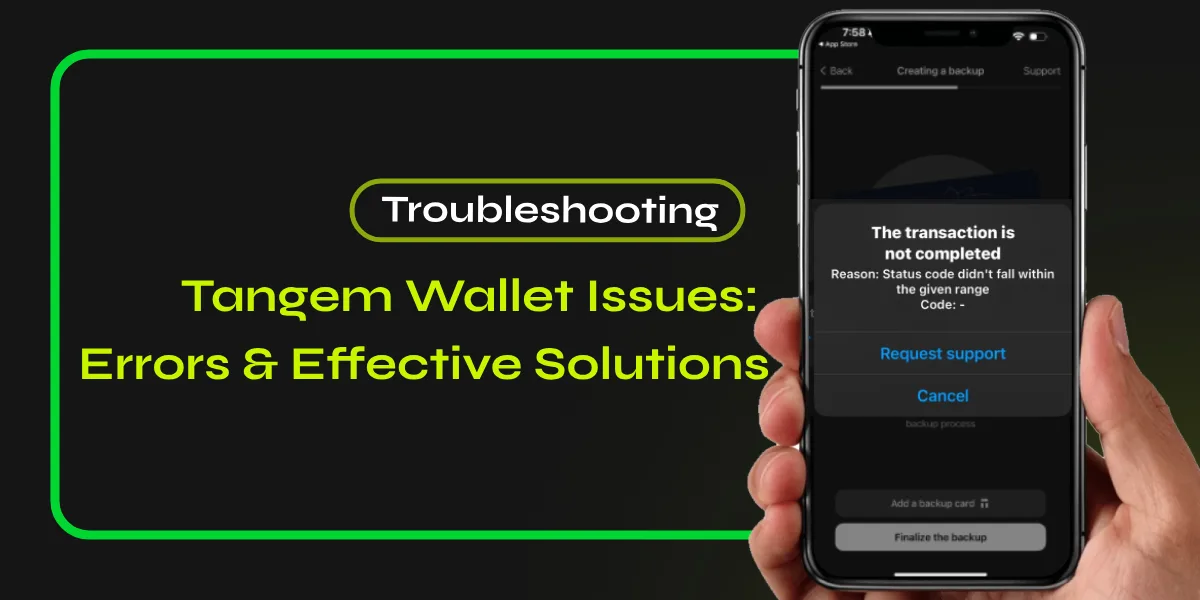
Connecting hardware wallets to decentralized finance (DeFi) platforms can occasionally present challenges, particularly for users who aim to utilize their secure assets in various financial applications. Common issues often include connection errors stemming from mismatches in device compatibility, which can hinder the user experience.
Important troubleshooting steps to take into account are:
- Update Firmware: Verify that both the hardware wallet and browser interfaces are updated to their latest versions, which often resolve many compatibility issues.
- Browser Compatibility: Use supported browsers, as some wallets are optimized for specific platforms.
- USB Connections: Confirm that USB cables and ports are functioning correctly, eliminating potential hardware malfunctions.
Frequently Asked Questions
Can I Use Multiple Hardware Wallets With One Defi Platform?
Yes, multiple hardware wallets can be used with one DeFi platform, provided the platform compatibility supports such wallet management. This allows users to diversify assets and maintain enhanced security across their investments effectively.
What Happens if My Hardware Wallet Gets Lost or Stolen?
If a hardware wallet is lost or stolen, the owner may utilize recovery options, such as seed phrases or recovery codes, to restore access. Implementing strong security measures can help mitigate such risks in the future.
Are There Transaction Limits With Hardware Wallets on Defi Platforms?
“Where there’s a will, there’s a way.” Most DeFi platforms impose limits based on transaction fees and security protocols. Users should research specific platforms to understand any constraints related to their hardware wallet transactions effectively.
How Do Firmware Updates Affect My Wallet’s Connection to Defi?
Firmware updates can enhance wallet security and guarantee firmware compatibility with DeFi platforms. However, outdated firmware might hinder connections, potentially exposing users to risks. Regular updates are essential for maintaining peak performance and security in decentralized finance.
Can I Connect My Hardware Wallet to a Mobile Defi App?
Yes, a hardware wallet can connect to a mobile DeFi app, provided it supports mobile compatibility. Users should adhere to security measures, ensuring private keys remain safe during the interaction with decentralized finance platforms.
Conclusion
To summarize, connecting a hardware wallet to DeFi platforms necessitates a careful approach, encompassing compatibility checks, meticulous setup procedures, and robust security measures. By following systematic guidelines, users can effectively navigate the intricate world of decentralized finance. This alignment between traditional security practices and modern blockchain technology guarantees that assets remain safeguarded. As users harness the potential of DeFi, maintaining a proactive stance toward wallet management is essential, ensuring that one’s digital assets are not left to chance, akin to leaving a time capsule untouched.