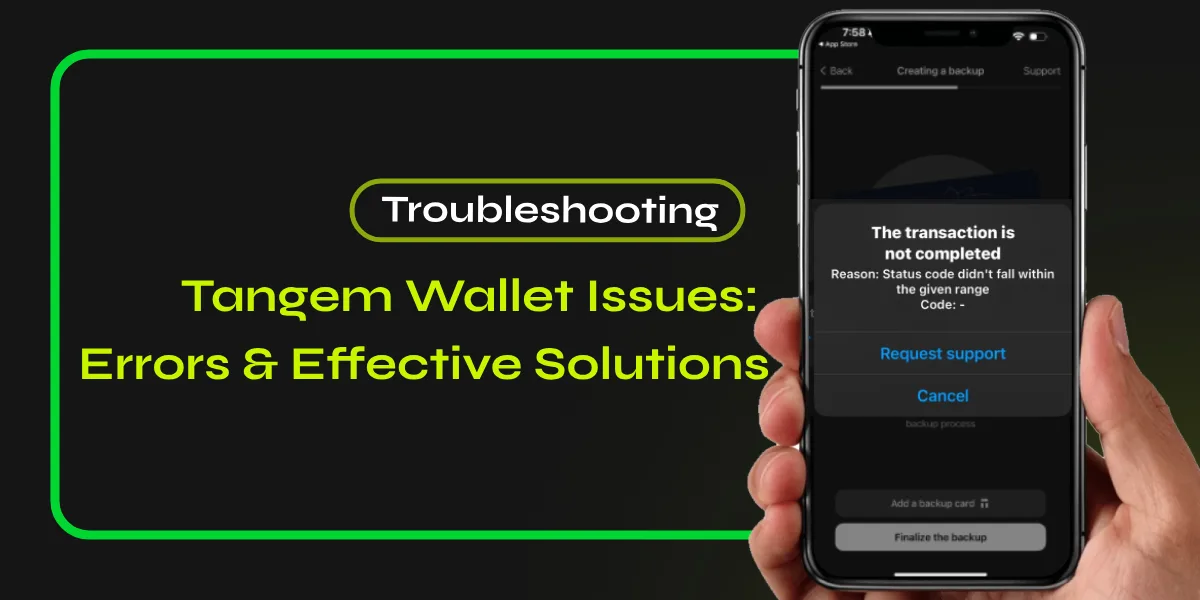
When users engage with their first crypto wallet, they often encounter several important pitfalls that can severely compromise their assets. Key considerations include selecting the appropriate wallet type, ensuring robust security measures are in place, and understanding transaction fees. Additionally, failing to back up wallets, misplacing recovery phrases, and neglecting software updates could result in irretrievable losses. As users navigate these challenges, it is vital to develop an all-encompassing strategy to safeguard their investments.
Key Takeaways
- Failing to choose the right wallet type can expose your assets to unnecessary risks; consider security and usability needs.
- Ignoring strong password practices and two-factor authentication leaves your wallet vulnerable to unauthorized access.
- Neglecting regular backups may result in permanent loss of funds; back up your wallet frequently and store copies securely.
- Sharing private keys or recovery phrases can lead to irretrievable asset loss; keep this information confidential and secure.
- Using outdated wallet software increases security vulnerabilities; always keep your wallet updated to benefit from security patches and enhancements.
Choosing the Wrong Wallet Type
Choosing the wrong wallet type is a common pitfall for individuals entering the world of cryptocurrency, often leading to unintended consequences that can compromise the security of their digital assets. Two primary categories exist: hardware wallets and software wallets.
- Hardware Wallets:
- Guarantee robust wallet security through offline storage.
- Typically offer compatibility with numerous cryptocurrencies.
- Software Wallets:
- Provide greater usability, often featuring user-friendly interfaces.
- May lack the same level of wallet security found in hardware options.
Individuals must evaluate wallet compatibility and features before making a choice. Prioritizing security while balancing usability is essential, as selecting an inappropriate wallet type may expose assets to risks that could have been easily avoided.
Ignoring Security Best Practices
Ignoring security best practices can lead to significant vulnerabilities in the management of crypto wallets. Essential measures, such as using strong, unique passwords, are critical in preventing unauthorized access, and while two-factor authentication adds an extra layer of defense, many users fail to implement these protective strategies. Without adherence to these security protocols, the risk of loss due to hacking or phishing attacks markedly increases, highlighting the importance of diligent security practices in safeguarding digital assets.
Strong Password Usage
Many cryptocurrency users often underestimate the critical role of strong password usage in safeguarding their digital assets. Utilizing strong passwords is essential because weak or easily guessable passwords expose wallets to unauthorized access and potential theft. To enhance security, it’s advisable to follow these guidelines:
- Complexity: Incorporate uppercase letters, lowercase letters, numbers, and special symbols.
- Length: Aim for a minimum of 12 characters.
- Uniqueness: Avoid reusing passwords across different accounts.
Additionally, employing password managers can considerably aid users by generating and storing complex passwords securely, eliminating the burden of memorization while ensuring robust protection. Neglecting these practices increases vulnerability, emphasizing the necessity of adopting strong password methodologies for anyone engaged in cryptocurrency transactions or investments.
Two-Factor Authentication Benefits
Implementing two-factor authentication (2FA) greatly enhances the security posture of cryptocurrency wallets by requiring an additional layer of verification beyond merely entering a password. This mechanism markedly reduces the risk of unauthorized access, as it demands a second piece of information, typically a time-sensitive code generated by an authentication app or sent via SMS.
Key benefits of 2FA include:
- Increased Security: Protects against password theft and phishing.
- User Education: Encourages users to learn about security best practices.
- Security Awareness: Fosters a proactive approach to safeguarding digital assets.
Incorporating 2FA as a standard practice not only mitigates potential attacks but also instills a culture of security mindfulness among cryptocurrency users, ultimately enhancing the overall integrity of their financial platforms.
Failing to Backup Your Wallet
Failing to backup a cryptocurrency wallet can lead to significant consequences, including the permanent loss of access to digital assets. The importance of wallet backups cannot be overstated, as they serve as a safeguard against hardware failures, accidental deletions, or other unforeseen events. Various backup methods exist, including creating encrypted seed phrases and exporting wallet files, each with its own security considerations that users must understand to mitigate risks effectively.
Importance of Wallet Backups
The critical nature of wallet backups in the domain of cryptocurrency cannot be overstated, as failing to implement a reliable backup strategy exposes users to significant risks of permanent loss of their digital assets. A proper backup allows for wallet recovery in situations such as device theft, loss, or failure. Users should adopt a regular backup frequency, ensuring that all the latest transactions and key data are preserved.
Key considerations for effective wallet backups include:
- Backup Medium: Use secure external devices or encrypted cloud storage.
- Data Encryption: Employ strong encryption methods to safeguard backup files.
- Redundancy: Maintain multiple backup copies in separate locations.
These practices enhance the security and accessibility of digital assets, minimizing the risk of irreversible losses.
Backup Methods Explained
While regular backups are essential for the security of cryptocurrency wallets, there remain various methods that users can employ to assure their assets are properly safeguarded. Common backup methods include:
- Paper Wallets: Physically printed private keys stored securely in a safe location, immune to digital threats.
- Hardware Wallets: Devices designed to securely store private keys offline, enhancing protection against hacking.
- Encrypted Cloud Storage: Utilizing third-party services with strong encryption to back up wallet files, though trust in the provider is necessary.
Recovery strategies, on the other hand, involve creating a recovery seed or mnemonic phrase, which can restore access to the wallet in case of device failure or mismanagement. Implementing these methods effectively assures a reduced risk of permanent loss of cryptocurrency assets.
Consequences of Lost Access
What occurs when access to a cryptocurrency wallet is lost due to inadequate backup measures can be devastating for users, as they may find themselves unable to retrieve their assets. Without proper recovery access protocols, individuals face three primary consequences:
- Permanent Asset Loss: If a wallet is not backed up, the digital assets contained within can become irretrievable.
- Financial Impact: Lost access can result in significant monetary losses, impacting investments and future financial decisions.
- Lack of Account Recovery Options: Without a reliable backup, users have no means for account recovery, leading to the total inability to regain control over their cryptocurrency holdings.
In essence, insufficient backup practices can render a user’s investments worthless and they should prioritize effective recovery strategies.
Sharing Your Private Keys
Frequent mistakes in cryptocurrency management often arise from the sharing of private keys, a critical aspect that users may not fully understand. Private keys are essential for securing digital assets, and their exposure compromises private key security. The risks associated with key sharing encompass various vulnerabilities, including unauthorized access to wallets and potential loss of funds.
Key sharing risks include:
- Unauthorized Transactions: Others gaining control can initiate transfers without the owner’s consent.
- Phishing Attacks: Malicious entities may pose as legitimate contacts to solicit private keys.
- Loss of Control: Users may inadvertently relinquish ownership, resulting in irretrievable funds.
Guarding private keys is paramount to maintaining asset security and ensuring safe cryptocurrency management practices.
Not Keeping Software Updated
How often do individuals consider the significance of keeping their cryptocurrency wallet software current? Neglecting to update wallet software can expose users to significant risks related to software vulnerabilities. Regular updates address identified security flaws and improve functionality, thereby maintaining the integrity of users’ assets.
Consider these key points regarding update frequency:
- Security Patches: Updates provide vital patches for known vulnerabilities, protecting against potential exploits.
- Enhanced Features: New versions often introduce improved features and interfaces to streamline user experience.
- Compatibility: Updates guarantee continued compatibility with network protocols and other wallet services.
Confirming wallet software is updated promptly helps mitigate potential breaches and enhances the overall user experience, emphasizing the necessity of prioritizing timely updates within cryptocurrency management practices.
Overlooking Transaction Fees
Overlooking transaction fees can lead to unexpected costs that undermine the efficiency and profitability of cryptocurrency trading. Many novice users neglect to verify the fee structures associated with their chosen wallet or exchange. This can result in unanticipated expenses during transaction calculations, ultimately affecting the overall investment outcome.
Key aspects to take into account include:
- Dynamic Fees: Fees vary based on network congestion; higher traffic can lead to increased costs.
- Flat Fees: Certain wallets impose a fixed fee per transaction, independent of the transaction size.
- Percentage Fees: Some platforms charge a fee as a percentage of the transaction amount, which can escalate with larger transactions.
Understanding these elements is vital for managing expenses and maximizing profit potential in cryptocurrency exchanges.
Forgetting to Enable Two-Factor Authentication
Failing to enable two-factor authentication (2FA) greatly increases the vulnerability of cryptocurrency wallets to unauthorized access and potential theft. 2FA serves as an additional security layer, requiring users to provide not only their password but also a second form of identification, typically a time-sensitive code sent via SMS or generated by an authentication app.
The importance of two-factor authentication can be summarized as follows:
- Enhanced Security: 2FA greatly mitigates the risk of account compromise.
- Access Control: It limits unauthorized transactions even with stolen credentials.
- User Confidence: Adoption of robust security measures fosters trust in the cryptocurrency ecosystem.
Ignoring this simple yet effective step leaves wallets exposed and potentially results in substantial financial loss, underscoring the necessity of thorough security measures in cryptocurrency management.
Misplacing Recovery Phrases
Although many cryptocurrency users understand the significance of recovery phrases, the misplacement of these crucial components can lead to irreversible access issues and loss of funds. Recovery phrases serve as essential keys for wallet recovery, making their importance paramount. Proper storage methods can mitigate risks associated with misplaced phrases.
| Misplacement Consequences | Safe Storage Methods | Recovery Importance |
|---|---|---|
| Loss of funds | Store in a fireproof safe | Regain access easily |
| Inability to recover wallet | Use a secure password manager | Safeguard your assets |
| Permanent access loss | Write on multiple papers | Guarantees wallet security |
Neglecting to Research Before Using New Wallets
When new cryptocurrency wallets are introduced into the market, many users are tempted to adopt them without thorough investigation, which can result in significant risks and complications. Before selecting a wallet, conducting detailed research is essential. Users should focus on the following aspects:
- Wallet Comparisons: Analyze different wallets to understand their functionalities, security features, and compatibility with various cryptocurrencies.
- User Reviews: Review feedback from other users to gauge reliability, ease of use, and customer support.
- Security Protocols: Investigate the security measures implemented by the wallet provider, including two-factor authentication, encryption standards, and backup options.
Frequently Asked Questions
How Do I Know Which Wallet Is Best for Me?
To determine the best wallet, one should evaluate wallet features such as user-friendliness and supported cryptocurrencies alongside security measures, including encryption and two-factor authentication, to guarantee both convenience and safety in their crypto transactions.
What Should I Do if I Lose My Recovery Phrase?
If someone loses their recovery phrase, they should explore recovery options provided by their wallet. Ensuring wallet security through backups and secure storage is essential to avoid such situations and protect their assets in the future.
Can I Switch Wallets Later if My Needs Change?
Like a chameleon adapting to its environment, one can switch wallets as needs evolve. However, potential switching costs may arise, emphasizing the importance of carefully considering wallet features before initiating the next financial journey.
How Can I Track My Wallet’s Transaction History?
To track a wallet’s transaction history, users can utilize transaction tracking tools or wallet monitoring software. These resources provide detailed logs of incoming and outgoing transactions, ensuring users maintain visibility over their crypto activities.
Is It Safe to Use Public Wi-Fi With My Crypto Wallet?
Using public Wi-Fi with a crypto wallet is like sailing uncharted waters; its unpredictability makes it risky. Without robust wallet encryption, sensitive data can be exposed, undermining public Wi-Fi security and jeopardizing financial safety.
Conclusion
In managing the complexities of cryptocurrency wallets, the stakes are high, and mistakes can lead to irrevocable loss. By understanding the critical elements—such as proper wallet selection, maintaining robust security measures, and consistently updating software—users can fortify their investments against unforeseen threats. The importance of diligence cannot be overstated, as a single oversight, like sharing private keys or neglecting backup protocols, may result in devastating consequences. Remaining vigilant and informed is essential in safeguarding digital assets.