Recovering a lost crypto wallet requires a systematic approach that prioritizes security and organization. The process begins by understanding the significance of seed phrases, which are vital for wallet recovery. Users must locate their backup information, such as seed phrases or private keys, often stored both digitally and physically. Different methods, including wallet applications and third-party services, provide avenues for recovery, ensuring users can regain access to their assets. However, exploring preventative measures is essential for future security.
Key Takeaways
- Search both physical and digital locations for any backups, including seed phrases and private keys stored in cloud services or printed documents.
- Use a compatible wallet application to restore your wallet by selecting the recovery option and accurately entering your seed phrase.
- Consider utilizing recovery tools like WalletRecover or CryptoFind, ensuring they are suitable for your specific wallet type.
- Vet recovery service providers carefully to avoid unregulated operators or scams that might worsen your financial situation.
- Implement proactive security measures, such as hardware wallets and two-factor authentication, to prevent future asset losses.
Understanding the Importance of Seed Phrases
When attempting to recover a lost crypto wallet, understanding the importance of seed phrases is essential, as these unique alphanumeric sequences serve as the fundamental means of accessing digital assets stored within blockchain networks. Seed phrase security is paramount; individuals must guarantee their phrases are stored in secure locations, as exposure can lead to irreversible asset loss. Implementing mnemonic phrase techniques, such as associating words with memorable images or phrases, can enhance recall and minimize errors. Additionally, users should consider generating seed phrases using random word selections from established lists, thereby mitigating predictability. To maintain peak security, wallet holders are encouraged to avoid digital storage methods that may be vulnerable to hacking, instead opting for physical backups kept in safeguarded environments.
Locating Your Backup Information
Locating backup information is a vital step in the recovery process of a lost crypto wallet, especially after understanding the importance of seed phrases. Individuals should first check their cloud storage accounts, as many users opt to store their information in secure online environments. Here are essential aspects to take into account:
- Cloud Storage
- Confirm accounts are accessible
- Search for files containing wallet details
- Paper Backups
- Examine physical locations where documents are stored
- Look for printed seed phrases, private keys, or recovery phrases
Through systematic searching in both digital and physical domains, users can effectively consolidate the necessary information to facilitate the recovery of their lost crypto wallets. This methodical approach is vital to guaranteeing a successful retrieval process.
Accessing Recovery Tools
Accessing recovery tools represents a critical phase in the process of recovering a lost crypto wallet, as these tools are specifically designed to assist users in retrieving their assets. Users can find various types of recovery software, each tailored for different wallet types and functionalities. The effectiveness of these tools largely depends on their ability to facilitate wallet synchronization, ensuring that users can connect with their existing wallets securely.
| Recovery Software | Key Features |
|---|---|
| WalletRecover | Multi-wallet support, user-friendly interface |
| CryptoFind | Advanced scanning algorithms, high success rate |
| BitRecover | Compatibility with multiple platforms, secure |
These recovery tools serve as essential resources during the asset retrieval process, aiding users in regaining access to their cryptocurrencies.
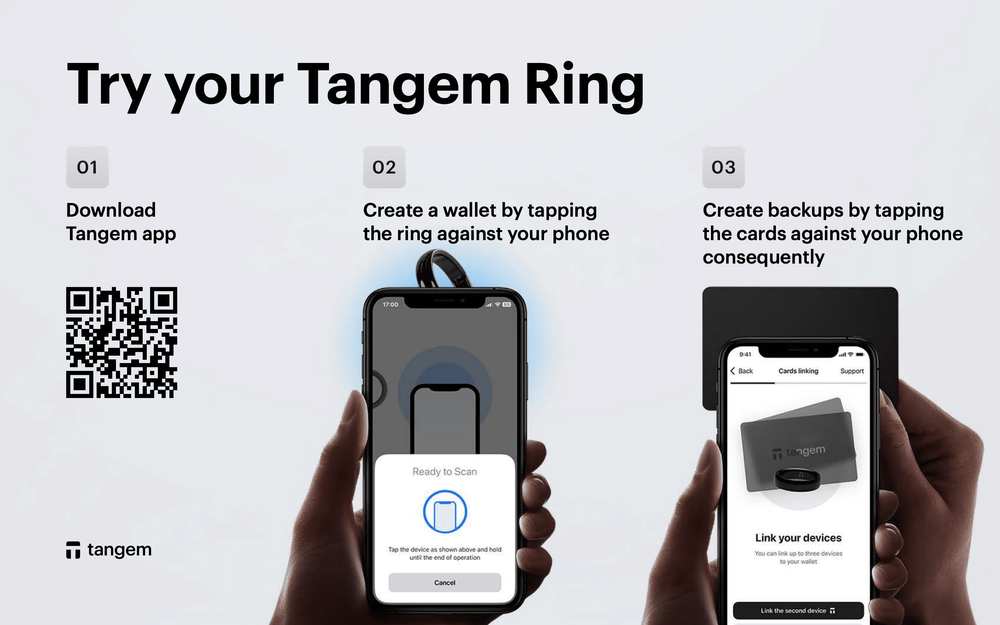
Restoring Your Wallet Using Seed Phrases
Restoring a crypto wallet using seed phrases is an important procedure for users who have lost access, as these alphanumeric strings serve as the keys to their digital assets. During the recovery process, users must guarantee the security of their seed phrases, which typically consist of 12 to 24 words arranged in a specific order.
Key steps include:
- Locating the backup of the seed phrase.
- Accessing a compatible wallet application.
- steering to the recovery option.
- Entering the seed phrase accurately, as any typo can result in a failed recovery.
Additionally, maintaining seed phrase security is vital for preventing unauthorized access. Users should store this information securely and refrain from sharing it to protect their assets during the recovery process.
Using Private Keys for Recovery
Private keys are essential components of cryptocurrency security and wallet recovery, as they provide direct access to the digital assets stored within the wallet. Understanding the significance of private keys is vital not only for protecting one’s investments but also for charting the recovery process in case of loss, which typically involves several key steps. These steps may include verifying the ownership of the private keys, using software tools designed for recovery, and ensuring that any restoration is performed in a secure environment to mitigate risks associated with potential theft or loss of funds.
Importance of Private Keys
Utilizing private keys serves as a fundamental step in recovering a lost crypto wallet, given their critical role in blockchain security and access. Private keys function as unique cryptographic codes that authenticate transactions, allowing users to access and manage their digital assets. The importance of private key security cannot be overstated, as the loss or compromise of these keys results in irreversible loss of funds.
To guarantee effective private key management, users should adopt the following practices:
- Backups: Regularly create and securely store backup copies.
- Encryption: Utilize encryption to protect key files from unauthorized access.
- Secure Storage: Employ hardware wallets or cold storage solutions for enhanced security.
These strategies enhance the likelihood of successfully recovering a lost wallet while safeguarding assets against potential threats.
Steps for Key Recovery
Recovery of a lost crypto wallet hinges on the correct application of private keys, which serve as indispensable components for accessing digital assets. To effectively recover a wallet using private keys, users should follow these steps:
- Retrieve Private Keys: Locate the stored private keys, which may be saved in hardware wallets, secure offline storage, or cloud services.
- Key Storage Safety: Guarantee the private keys are stored in a secure environment, avoiding exposure to malicious actors.
- Biometric Authentication: If available, utilize biometric authentication methods to add an additional layer of security during the recovery process.
Exploring Third-Party Recovery Services
Third-party recovery services can provide an alternative solution for individuals seeking to restore access to lost crypto wallets. When considering such services, it is essential to evaluate their reliability by examining customer reviews and the reputability of the service providers, as well as to understand the associated costs and potential risks that may arise during the recovery process. Awareness of these factors can aid users in making informed decisions that safeguard their digital assets while maneuvering the complexities of wallet recovery.
Choosing Reliable Services
When seeking to recover a lost crypto wallet, individuals must exercise caution and discernment in selecting the right services, particularly because the market is crowded with options that vary considerably in quality and reliability. To guarantee effective crypto recovery without compromising wallet security, potential users should consider several key factors:
- Reputation: Investigate reviews and testimonials from verified sources to gauge service reliability.
- Expertise: Confirm that the service has a team experienced in crypto recovery, including technical proficiency with blockchain technologies.
- Security Practices: Assess the security measures employed to protect user data and wallet information, such as encryption protocols and adherence to industry standards.
- Transparency: Opt for services that provide clear terms of service and outline the recovery process in detail, ensuring no hidden fees or ambiguous practices.
Costs and Risks
Charting the landscape of costs and risks associated with engaging recovery services for lost crypto wallets requires careful consideration.
Cost Considerations:
- Service Fees: Typically range from hundreds to thousands of dollars, depending on complexity.
- Success-Based Fees: Some services charge only if recovery is successful, while others may require upfront costs.
Risk Assessment:
- Data Security: Sharing private keys or sensitive information with third parties can pose significant risks, including potential data breaches.
- Fraudulent Services: The market contains unregulated operators; thorough vetting is essential to avoid scams.
- No Guarantees: Recovery services may not guarantee results, leading to possible financial losses amidst investment in their expertise.
Preventing Future Losses
How can individuals better safeguard their cryptocurrency assets against future losses? Implementing best practices and robust security measures is essential for effective protection.
- Use Hardware Wallets: These devices store assets offline, minimizing online vulnerability.
- Enable Two-Factor Authentication (2FA): Adding an extra layer of security reduces the risk of unauthorized access.
- Regular Backups: Consistently back up wallet information, including private keys and recovery phrases, ensuring recovery options are available.
- Keep Software Updated: Regularly updating wallet applications and security software helps protect against newly discovered vulnerabilities.
- Educate on Phishing Risks: Awareness of common phishing tactics can prevent individuals from inadvertently compromising their security.
Following these guidelines will considerably enhance the security of cryptocurrency holdings and reduce the likelihood of future losses.
Maintaining Security After Recovery
Maintaining robust security protocols after recovering a lost cryptocurrency wallet is essential for safeguarding digital assets and preventing future incidents. Implementing two-factor authentication (2FA) greatly enhances account security, requiring not only a password but also an additional verification method, such as a text message or email code. This process mitigates unauthorized access effectively.
Furthermore, diligent password management plays a vital role. Users should create unique, complex passwords and employ a password manager to store and encrypt these credentials securely. Regularly updating passwords and enabling alerts for suspicious activity will further bolster security measures. By adopting both 2FA and rigorous password management practices, individuals can greatly reduce risks, ensuring the integrity of their digital currency holdings in a highly volatile environment.
Keeping Your Wallet Information Organized
Effective organization of wallet information plays a pivotal role in ensuring that cryptocurrency assets remain accessible and secure, especially after recovering a lost wallet. Proper wallet organization includes thorough information management strategies, which can greatly enhance user experience and safeguard against future losses.
Key strategies for effective organization are:
- Categorization: Classify wallets by type (hardware, software) and purpose (savings, trading).
- Documentation: Maintain a secure, detailed record of recovery phrases, keys, and associated details.
- Regular Backups: Schedule routine backups to both online and offline storage solutions.
- Use of Trackers: Implement digital tools or spreadsheets for continuous updating and monitoring assets.
Frequently Asked Questions
Can I Recover My Wallet Without a Seed Phrase or Private Key?
Recovery of a wallet without a seed phrase or private key is virtually impossible. Individuals may explore wallet alternatives, but crypto security measures typically guarantee that access is restricted to the possessor of these critical credentials.
What Should I Do if My Seed Phrase Is Partially Damaged?
If a seed phrase is partially damaged, employing seed phrase techniques such as recovery software may help. Additionally, utilizing backup methods can mitigate future risks, ensuring more secure and reliable access to cryptocurrency holdings.
Is It Safe to Use Recovery Services Online?
Using online recovery services can be a double-edged sword. Trust in recovery service reliability varies, and implementing robust online safety measures is vital to protect sensitive information from potential breaches or scams lurking in the digital landscape.
How Long Does the Recovery Process Typically Take?
The recovery timeframe can vary greatly based on the methods employed. Time estimates typically range from a few hours to several days, depending on the complexity of the lost credentials and the service used for recovery.
Can I Recover Multiple Wallets Using One Seed Phrase?
One seed phrase can recover multiple wallets, provided they were generated from the same wallet application. However, maintaining seed phrase security and proper wallet backup practices are essential to prevent loss and guarantee access.
Conclusion
To summarize, recovering a lost crypto wallet can be a systematic and effective process when following the outlined steps. While some users may feel overwhelmed by the complexity of wallet recovery, focusing on accurately locating seed phrases, understanding private keys, and utilizing reputable recovery services mitigates this concern. By implementing proactive measures, such as maintaining organized records and investing in secure storage solutions, individuals can greatly reduce the risk of future losses while safeguarding their digital assets.