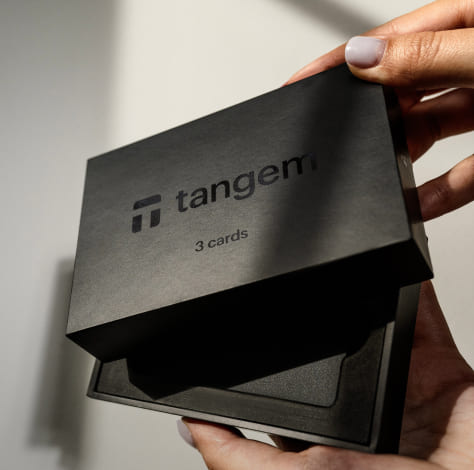
Cold wallets, known for their robust security features, serve as a reliable solution for cryptocurrency storage, especially for beginners. Unlike hot wallets, which remain online and expose private keys to cyber risks, cold wallets store keys offline, thereby minimizing the threat of hacking and phishing. Their benefits include offline transaction signing, compatibility with various cryptocurrencies, and long-term storage capabilities. Understanding these advantages is essential for informed investment decisions in the digital asset landscape. However, considerations around usability and cost also require attention.
Key Takeaways
- Cold wallets store private keys offline, significantly reducing the risk of online threats and hacks compared to hot wallets.
- They are better suited for long-term storage, providing enhanced security for substantial cryptocurrency holdings.
- Cold wallets allow users complete control over their private keys, promoting strict access management and reducing vulnerability.
- They support offline transaction signing, ensuring transaction integrity without exposure to network risks.
- Although initial costs are higher, long-term benefits and security make cold wallets a wise investment for risk-averse individuals.
Understanding Wallet Types: Cold vs. Hot
When exploring the domain of cryptocurrency, understanding the distinction between cold wallets and hot wallets is essential for effective asset management. Cold wallets, often referred to as offline wallets, primarily serve to securely store cryptocurrencies away from the internet, enhancing wallet functionalities by dramatically reducing exposure to cyber threats. In contrast, hot wallets are connected to the internet, allowing for rapid access and transactions, albeit with increased risks.
Key differences include:
- Security Protocols: Cold wallets use advanced encryption techniques and offline storage methods, while hot wallets rely on online security measures.
- Access Speed: Cold wallets have slower transaction capabilities due to their offline nature, while hot wallets offer immediate access.
This distinction aids users in selecting the appropriate wallet type based on their security needs and transaction frequency.
Enhanced Security Features of Cold Wallets
Cold wallets provide enhanced security features primarily through their offline storage capabilities, which effectively isolate cryptocurrencies from the internet, thereby greatly reducing exposure to potential hacking attempts. This offline storage not only fortifies the wallet against remote attacks, but it also safeguards against malware and phishing schemes that typically target online wallets. Consequently, the adoption of cold wallets stands as a prudent choice for users prioritizing the integrity and safety of their digital assets.
Offline Storage Benefits
While digital assets are increasingly susceptible to cyber threats, utilizing offline storage mechanisms like cold wallets offers substantial security advantages. Cold wallets provide enhanced offline security by isolating private keys from Internet connectivity, thereby reducing exposure to potential breaches. Key benefits include:
- Physical Security: Cold wallets are stored on devices that are not connected to networks, mitigating risks associated with hacking attempts.
- Access Control: Users maintain sole ownership of their private keys, which remain inaccessible to remote malicious actors.
- Durability: Many cold storage options, such as hardware wallets, are designed to withstand physical damage and unauthorized access.
- Comprehensive Recovery Options: Cold wallets often include backup features, enabling asset recovery in case of loss or device failure.
These storage options create a robust defense against unauthorized access.
Reduced Hacker Risks
The heightened security that cold wallets offer considerably reduces the risks posed by hackers, making them an increasingly popular choice among cryptocurrency users. Unlike hot wallets, which are connected to the internet and are consequently vulnerable to various cyber threats, cold wallets provide enhanced crypto security through their offline nature.
Key features include:
- Hacker Prevention: By storing private keys offline, cold wallets effectively eliminate the risk of unauthorized access.
- Encryption Standards: Advanced encryption protocols safeguard the data, ensuring that sensitive information remains protected.
- Physical Security Options: Many cold wallets come with security measures such as PIN codes, biometric recognition, and recovery phrases, further enhancing user protection.
Reduced Risk of Hacking and Cyber Attacks
In the domain of cryptocurrency storage, utilizing cold wallets considerably mitigates the risk of hacking and cyber attacks, as these wallets operate offline and are not connected to the internet, which inherently safeguards digital assets. Hacker motivations often include the theft of cryptocurrency, manipulation of wallets, and exploitation of vulnerabilities in online systems. By employing a cold wallet, users can effectively reduce exposure to prevalent cyber attack methodologies, which rely on online access, phishing, and malware.
| Aspect | Cold Wallets |
|---|---|
| Internet Connectivity | Offline |
| Vulnerability to Attacks | Notably Lower |
| Ownership Control | Private Keys Stored Locally |
This structured approach further enhances security against potential threats in the cryptocurrency landscape.
Long-Term Storage Benefits of Cold Wallets
Long-term storage benefits of cold wallets are particularly significant for cryptocurrency holders who seek to preserve their digital assets over extended periods, especially in a volatile market. Cold wallets, by their design, provide a superior level of investment security compared to hot wallets. They enable effective long-term strategies, which include:
- Enhanced Security: By storing private keys offline, cold wallets are largely immune to hacking attempts and unauthorized access.
- Asset Preservation: Ideal for investors aiming to hold assets for years, they reduce the risk of loss from market fluctuations.
- Reduced Exposure: Cold wallets minimize interaction with the internet, thereby limiting vulnerabilities.
These features make cold wallets a reliable choice for those serious about maintaining their cryptocurrency investments over time.
Offline Access: How Cold Wallets Work
Cold wallets utilize physical storage devices to safeguard digital assets from online threats, ensuring that private keys are kept offline and consequently inaccessible to malicious actors. These wallets often incorporate enhanced security features, such as encryptions and biometric access controls, which contribute to their robust protection against unauthorized access. Additionally, transaction signing occurs in an offline environment, allowing users to generate signatures for transactions without ever exposing their private keys, further solidifying the security of their investments.
Physical Storage Devices
Physical storage devices, commonly referred to as hardware wallets, serve as a fundamental component of cold storage solutions for cryptocurrency assets, providing an offline method to secure private keys. These devices offer enhanced physical security by storing private keys on isolated hardware, making them immune to online hacking attempts that threaten hot wallets.
Key features of physical storage devices include:
- Offline Operation: Private keys are never exposed to the internet.
- Robust Encryption: Advanced encryption algorithms protect stored keys.
- Multiple Storage Options: From USB drives to dedicated hardware devices tailored for specific cryptocurrencies.
- User Authentication: Features such as PIN codes or biometric scans provide additional layers of access control.
These characteristics collectively make hardware wallets a compelling choice for cryptocurrency enthusiasts seeking reliable security solutions.
Enhanced Security Features
While various methods exist to manage cryptocurrency assets, the enhanced security features of cold wallets primarily stem from their offline operation, which fundamentally mitigates the risks associated with online attacks. Cold wallets typically employ multi-factor authentication, requiring multiple forms of verification before granting access. This dual-layer approach considerably boosts security compared to hot wallets.
Notably, cold wallets may also incorporate biometric security measures, such as fingerprint or facial recognition, to further secure access. These features guarantee that even if a hardware device is physically obtained by unauthorized users, access remains restricted. Consequently, the combination of offline storage, multi-factor authentication, and biometric security positions cold wallets as one of the most secure methods for managing cryptocurrency assets in today’s digital landscape.
Transaction Signing Offline
The security of cryptocurrency transactions is greatly enhanced through the capability of signing them offline, a process that is intrinsic to the functionality of cold wallets. By employing secure signing methods, cold wallets isolate private keys from internet exposure, substantially mitigating risks associated with online threats.
Key advantages include:
- Transaction Verification Techniques: These allow for accurate confirmation of transaction integrity without direct network connection.
- No Internet Dependency: This independence from online environments minimizes vulnerability to hacking attempts.
- Controlled Signing Process: Users execute transactions within a secure, offline environment, enhancing safety.
- Simple Interface: Most cold wallets provide user-friendly interfaces, making the signing process accessible even to beginners while ensuring technical robustness.
This combination of features reinforces the reliability of cold wallets in safeguarding cryptocurrency holdings.
Key Management: Private Keys in Cold Wallets
Key management in the context of cold wallets is essential for securing digital assets, as it involves the generation, storage, and utilization of private keys in a manner that minimizes susceptibility to unauthorized access. Cold storage advantages stem from isolated environments that safeguard private key security, making them resistant to online threats.
Key management features include:
- Generation: Private keys are created offline, reducing exposure to malware.
- Storage: They are stored on devices not connected to the internet, considerably lowering hacking risks.
- Access Control: Access to private keys can be strictly regulated, often requiring physical presence.
Utilizing cold wallets for key management not only enhances security but also instills greater confidence in the integrity and ownership of digital assets.
Compatibility With Different Cryptocurrencies
Cold wallets are designed to support a wide array of cryptocurrencies, providing users with enhanced flexibility in asset management. Their compatibility with various blockchain protocols allows for multi-currency storage, thereby simplifying the process of managing diverse digital assets in a secure manner. This broad cryptocurrency support guarantees that users can efficiently navigate the evolving landscape of digital currencies without sacrificing security or functionality.
Broad Cryptocurrency Support
Broad cryptocurrency support is a notable characteristic of cold wallets, which enables users to manage a diverse portfolio of digital assets securely. This advantage stems from their inherent multi-coin compatibility, bolstering user confidence in long-term asset preservation. Cold wallets typically provide support for a broad range of cryptocurrencies, including:
- Bitcoin (BTC)
- Ethereum (ETH)
- Ripple (XRP)
Additionally, this extensive compatibility facilitates seamless integration with various blockchain networks, optimizing asset management practices. Users benefit from enhanced security features, as cold wallets isolate private keys from online threats, providing protection against hacking attempts. Hence, broad currency support in cold wallets is an essential factor for those aiming to engage reliably in the dynamic cryptocurrency market, ensuring their investments are safeguarded effectively while accommodating diverse holdings.
Multi-Currency Management
How can users effectively manage multiple cryptocurrencies with ease and security? Cold wallets offer robust multi-currency support, allowing users to store various crypto assets effectively. By utilizing such wallets, individuals can experience significant wallet diversification, minimizing the risks associated with holding a single type of cryptocurrency.
Key features of cold wallets for multi-currency management include:
- Wide Compatibility: Support for numerous cryptocurrencies, from Bitcoin to altcoins, enabling users to diversify their portfolios.
- Enhanced Security: Offline storage protects assets from online threats.
- User-Friendly Interfaces: Many cold wallets feature intuitive setup processes for easy balance management.
- Backup Options: Often include recovery phrases for restoring access to multiple currencies.
This strategic approach contributes to a thorough cryptocurrency management system.
Enhanced Asset Compatibility
What advantages arise from the enhanced asset compatibility of cold wallets when managing diverse cryptocurrencies? The ability to store various cryptocurrencies increases asset diversity, making cold wallets a favorable choice for investors seeking to hold multiple digital assets securely.
- Broad Compatibility: Cold wallets typically support a wide array of cryptocurrencies, including Bitcoin, Ethereum, and various altcoins, facilitating seamless wallet integration.
- Secure Storage Options: Users can safely store their entire cryptocurrency portfolio offline, protecting against online threats.
- Long-Term Management: Cold wallets are ideal for long-term storage, accommodating an evolving landscape of digital currencies without frequent updates or migrations.
Consequently, the enhanced asset compatibility of cold wallets positions them as essential tools for those aiming to diversify their cryptocurrency investments thoroughly.
Cost Considerations: Investing in Cold Wallets
A significant number of individuals and institutions consider the cost implications when investing in cold wallets for cryptocurrency storage. The assessment of cost efficiency plays a vital role in overall budgeting considerations. While cold wallets generally involve a higher initial purchase price compared to hot wallets, their long-term benefits can warrant the investment. Key factors influencing cost considerations include:
- Initial Cost: Ranges from $50 to several hundred dollars depending on the brand and features.
- Maintenance Costs: Minimal, as cold wallets do not require ongoing expenses related to internet connectivity.
- Security: High level of protection against cyber threats, potentially saving users from larger financial losses.
Investors must weigh these factors against their specific needs and risk tolerance to make informed decisions regarding cold wallet investments.
User Experience: Setting Up a Cold Wallet
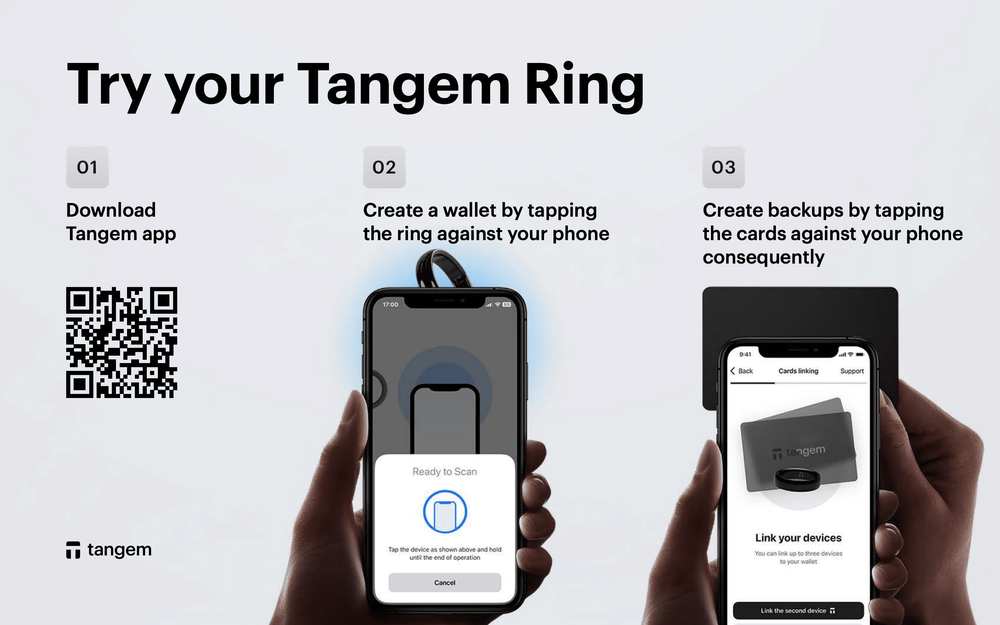
Setting up a cold wallet requires a systematic approach to guarantee secure and efficient storage of cryptocurrency assets. The user experience can vary notably depending on the device, but many cold wallets are designed with user-friendly interfaces to simplify the process. The following steps are essential:
- Acquire the Device: Choose a reputable cold wallet brand, ensuring it supports your specific cryptocurrency.
- Install Software: Download the official app from the manufacturer’s website, verifying its legitimacy to avoid malware risks.
- Secure Your Recovery Phrase: Upon setup, generate a recovery phrase; write it down and store it securely, as this is vital for asset recovery.
When to Choose Cold Wallets for Your Investments
Choosing to utilize cold wallets for cryptocurrency investments becomes especially advantageous in several situations, particularly when prioritizing security over immediate accessibility. Investors focused on long-term holdings, often referred to as HODL strategies, frequently encounter the cold wallet advantages that include:
- Enhanced security against cyber threats
- Protection from online hacking or phishing scams
- Safe storage of private keys in offline environments
When implementing the best investment strategies, particularly for substantial amounts of cryptocurrency, opting for a cold wallet is prudent. These wallets are also beneficial for those who intend to stake or lend cryptocurrency, as they secure the assets while not actively trading. As a result, individuals seeking a robust, risk-averse approach to their digital assets often choose cold wallets.
Frequently Asked Questions
Can Cold Wallets Be Used for Daily Transactions?
Cold wallet usage is not typically suited for daily transactions due to their offline nature, which prioritizes security. Users often prefer hot wallets for everyday use, allowing for easier access and quicker transactions when needed.
How Do I Recover a Cold Wallet if I Lose It?
Cold wallet recovery typically involves utilizing backup strategies such as mnemonic phrases, seed keys, or recovery files. Ensuring these backups are securely stored allows users to regain access to their funds if the wallet is lost.
Are There Any Fees for Using Cold Wallets?
Cold wallets typically do not incur fees for holding assets, yet users may face transaction costs when transferring funds. Maintaining wallet security and performing updates can also involve occasional costs, depending on the services used.
Can Cold Wallets Be Hacked Physically?
In a fortress adorned with jewels, the architect’s vision could falter. Cold wallets, while rarely subjected to digital hacking techniques, remain vulnerable to physical security breaches, illustrating the delicate balance between accessibility and protection in cryptocurrency storage.
What Happens to My Crypto if the Cold Wallet Malfunctions?
If a cold wallet malfunctions, the user’s cryptocurrency may become inaccessible. Cold wallet security measures, such as backups and recovery phrases, are vital for data loss prevention, ensuring users can regain access despite potential hardware failures.
Conclusion
In conclusion, while hot wallets offer convenience and immediate access to digital assets, they expose users to heightened security risks and potential cyber threats. Conversely, cold wallets provide a secure alternative by safeguarding private keys offline, thereby minimizing vulnerabilities and enabling long-term storage without fear of hacking. For beginners, understanding these distinctions is vital in making informed decisions, ensuring that investment strategies align with their risk tolerance and security needs.