Hot wallets and cold wallets represent distinct methods of cryptocurrency storage, each tailored to specific user needs. Hot wallets, characterized by their internet connectivity, facilitate rapid transactions and instant access, ideal for active traders. Conversely, cold wallets offer enhanced security through offline storage, protecting assets from online threats. Understanding their functionalities, key features, and best use cases is essential for informed decision-making in cryptocurrency management. The following sections will outline these differences in detail.
Key Takeaways
- Hot wallets are internet-connected for quick transactions, ideal for everyday use, while cold wallets provide offline storage for enhanced security against cyber threats.
- Cold wallets, such as hardware or paper wallets, are safer for long-term cryptocurrency storage compared to hot wallets, which are more vulnerable to hacking.
- Users of hot wallets have easy access to multiple cryptocurrencies and real-time market data, while cold wallet users prioritize security over immediate access.
- Cold wallets protect private keys offline, reducing unauthorized access risk, whereas hot wallets keep keys online, increasing potential exposure to theft.
- Best practices for wallet security include regular backups and updates, ensuring both hot and cold wallets are protected from potential threats.
What Are Hot Wallets?
Hot wallets, which are digital currency wallets that remain connected to the Internet, serve as a convenient method for users to manage and access their cryptocurrencies in real-time. The primary hot wallet advantages include quick transaction processing and ease of access, allowing users to execute trades and transfers effortlessly. These wallets typically support multiple cryptocurrencies and offer user-friendly interfaces. However, users should also be aware of hot wallet risks, such as vulnerabilities to hacking and unauthorized access, as their online nature increases exposure to cyber threats. Additionally, reliance on internet connectivity can lead to potential service outages, impacting accessibility. Therefore, users must weigh the benefits against the inherent risks when choosing to utilize hot wallets for their cryptocurrency management.
What Are Cold Wallets?
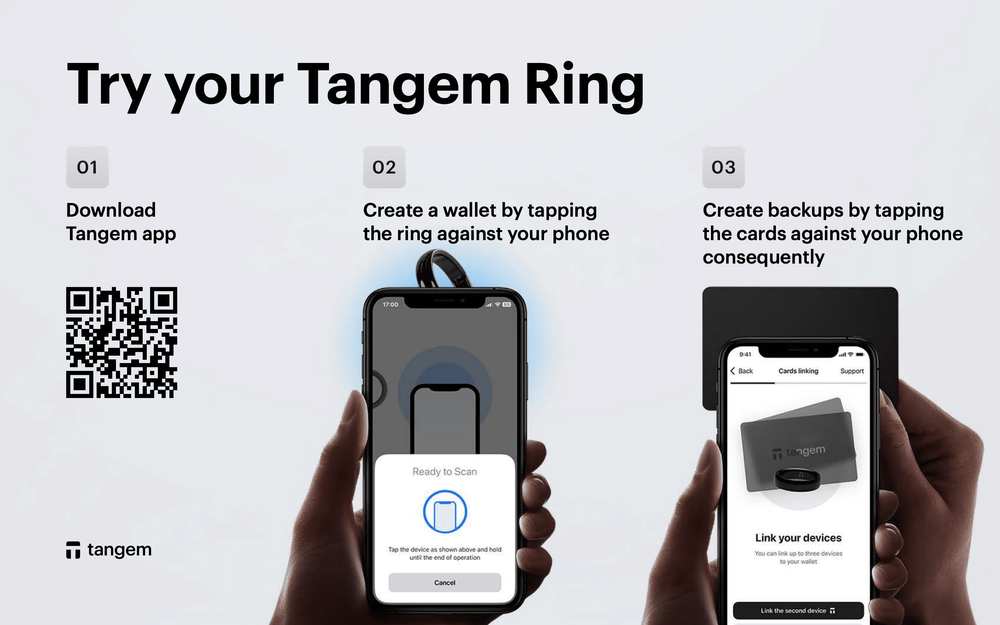
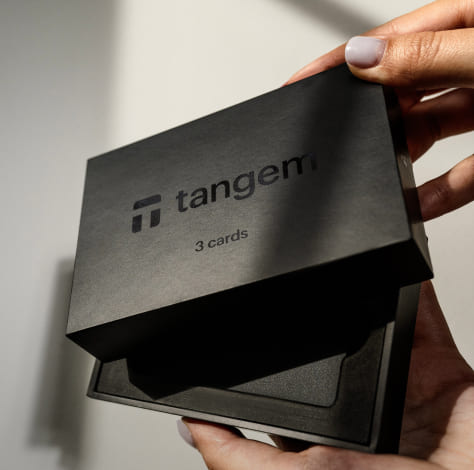
Cold wallets, often utilized for long-term cryptocurrency storage, are offline solutions that provide enhanced security measures against cyber threats. These wallets can be classified into different types, such as hardware wallets and paper wallets, each offering unique advantages regarding user access and data protection. The primary benefit of utilizing cold wallets lies in their ability to keep private keys safe from online hacks and unauthorized access, making them a preferred choice for users holding significant amounts of digital assets.
Definition of Cold Wallets
A cold wallet, often referred to as a cold storage solution, serves as a secure method for storing cryptocurrencies and private keys offline, thereby minimizing exposure to online threats and hacking attempts. By utilizing cold wallets, users can achieve a higher level of offline security, protecting their digital assets against cyber attacks.
| Feature | Description |
|---|---|
| Storage Method | Offline, preventing unauthorized online access |
| Security Level | High, due to isolation from the internet |
| Accessibility | Requires physical access for transactions |
| Examples | Hardware wallets, paper wallets |
| Vulnerability | Less susceptible to hacking than hot wallets |
This structure guarantees that users’ cryptocurrencies are safeguarded, further exemplifying the importance of cold storage in the digital asset management landscape.
Types of Cold Wallets
Various types of cold wallets exist, each designed to cater to different user needs and preferences while maintaining a high level of security for cryptocurrency storage. These options include:
- Hardware Wallets: Secure physical devices that store private keys offline, often equipped with advanced encryption and multi-signature authentication.
- Paper Wallets: Physical documents containing printed public and private keys, providing a simple and effective way to store cryptocurrencies securely, free from digital threats.
- USB Wallets: Hardware wallets connected via USB, allowing for easy transfers between devices while still keeping keys offline.
- Metal Wallets: Durable wallets designed for long-term storage, where private keys are engraved or stamped on metal plates, providing resistance to physical damage.
Each option offers distinct features, ensuring users can choose a suitable format for their security requirements.
Security Benefits of Cold Wallets
While security measures in the cryptocurrency landscape are multifaceted, the use of cold wallets has emerged as a paramount solution for safeguarding digital assets. These wallets provide significant security benefits due to their reliance on offline storage, which inherently mitigates risks associated with online threats, such as hacking and phishing attempts. Key features include:
- Enhanced Security: By being disconnected from the internet, cold wallets prevent unauthorized access.
- Encryption Techniques: Advanced encryption methods protect private keys, ensuring that sensitive data remains secure.
- Durability: Many cold wallets, like hardware devices, are designed to withstand physical damage, thereby enhancing asset protection.
Key Features of Hot Wallets
Hot wallets are characterized by their continuous connectivity to the internet, which enables users to access their funds with remarkable ease. These wallets typically feature user-friendly interfaces designed to streamline the transaction process, accommodating both novice and experienced users. Additionally, their capacity for immediate access to funds makes hot wallets an invaluable tool for those who require rapid transactions in the dynamic environment of cryptocurrency trading.
Connectivity to Internet
The intrinsic characteristic that defines hot wallets is their continuous connectivity to the internet, which facilitates swift transactions, real-time monitoring, and easy access to cryptocurrency markets. This hot wallet connectivity allows users the advantage of conducting instant exchanges, a feature often absent in cold wallet accessibility. Key elements of this connectivity include:
- Instant Transactions: Enables rapid buy/sell operations without delay.
- Real-Time Market Data: Offers up-to-the-minute insights for informed trading decisions.
- User Notification Alerts: Provides immediate updates on activity and market changes.
- Mobile Accessibility: Allows users to transact and manage assets on-the-go through applications.
Such characteristics underline the seamless experience of hot wallets, making them suitable for active cryptocurrency traders and daily users.
User-Friendly Interfaces
User-friendly interfaces are essential components of hot wallets, as they considerably enhance user experience and facilitate seamless interaction with cryptocurrency assets. Such interfaces are designed to prioritize wallet usability, allowing users, especially beginners, to navigate with ease.
Key features often found in user-friendly wallets include:
- Intuitive Navigation: Clear menus and straightforward pathways to execute transactions.
- Quick Transactions: Streamlined processes for sending and receiving funds.
- Visual Aids: Charts and visuals that simplify asset management and performance tracking.
- Customizable Settings: Users can tailor their experience according to personal preferences without technical complications.
- Security Features: Easily accessible options for managing security, including two-factor authentication and recovery settings.
These elements collectively contribute to an accessible environment, promoting confidence in cryptocurrency management.
Immediate Access to Funds
For individuals engaged in cryptocurrency transactions, immediate access to funds serves as a critical advantage of utilizing hot wallets, particularly in scenarios where rapid buying or selling of digital assets is essential. Hot wallets facilitate instant fund transfers, making them ideal for investors who value speed and responsiveness. Key features contributing to this immediate access include:
- Online Connectivity: Hot wallets operate through the internet, providing real-time access to cryptocurrencies.
- User-Friendly Design: Simplified interfaces enable quick transactions with minimal steps involved.
- Mobile Accessibility: Many hot wallets offer mobile applications, allowing users to manage funds while on the go.
- Instant Transfers: Transactions can be executed in seconds, ensuring swift access to funds during volatile market conditions.
These aspects make hot wallets a preferred choice for active traders.
Key Features of Cold Wallets
Cold wallets, renowned for their robust security measures, serve as an essential tool for cryptocurrency storage. They primarily utilize hardware solutions that provide a highly secure environment for private keys, minimizing the risk of unauthorized access. Key features of cold wallets include:
- Offline Storage: By keeping cryptocurrency keys disconnected from the internet, cold wallets greatly reduce vulnerability to hacking.
- Durability and Portability: Many hardware wallets are compact and designed to withstand physical damage, allowing users to safeguard their assets effectively.
- Multi-Currency Support: A variety of cold wallets can store multiple types of cryptocurrencies, providing flexibility for users holding diverse portfolios.
- User Control: Owners retain complete control over their funds, mitigating risks associated with third-party custodians.
These features collectively emphasize security and user autonomy in digital asset management.
When to Use Each Type of Wallet
Determining the appropriate wallet type for cryptocurrency storage is essential, as the security needs and transaction patterns differ considerably among users. Users should consider the following scenarios when deciding between hot and cold wallets:
- Frequent Transactions: Hot wallets enable rapid wallet transfers, catering to users who require high transaction speed for trading or daily purchases.
- Long-term Holdings: Cold wallets are most suitable for investors looking to securely store assets over extended periods, minimizing exposure to cybersecurity threats.
- Security Concerns: Users prioritizing security may favor cold wallets to protect against online vulnerabilities.
- Usability vs. Safety: Those valuing ease of access might lean towards hot wallets, while users prioritizing safety could prefer cold storage solutions.
Best Practices for Securing Your Wallet
Securing a cryptocurrency wallet is crucial for safeguarding digital assets against theft, hacking, and unauthorized access, as the decentralized nature of blockchain technology frequently attracts malicious actors. To enhance wallet security, users should implement robust wallet encryption methods, which can include high-level passwords and multi-factor authentication. These measures greatly complicate unauthorized access attempts.
Additionally, it is essential to regularly utilize backup recovery options. This entails creating secure copies of private keys and seed phrases in different physical or digital locations, ensuring accessibility in case of device failure or loss. Regular software updates, secure internet connections, and awareness of phishing scams are further critical elements. By adopting these best practices, users can greatly bolster their wallet security against potential threats in the cryptocurrency landscape.
Frequently Asked Questions
Can I Convert a Hot Wallet to a Cold Wallet?
A hot wallet conversion to a cold wallet is not feasible directly; they serve distinct purposes. Users must prioritize wallet security considerations and transfer assets to a new cold wallet for enhanced protection against online threats.
Are There Fees Associated With Using Hot Wallets?
Yes, hot wallet fees may apply, particularly in the form of transaction costs for sending cryptocurrencies. Users should check individual wallet services as fees can vary based on network activity and the chosen provider.
How Do I Choose the Best Cold Wallet Brand?
Choosing the best cold wallet brand requires a keen eye for brand reputation and user reviews, as discerning investors prioritize security over whimsical designs, proving once again that not all that glitters is crypto gold.
What Happens if I Lose Access to My Cold Wallet?
If someone loses access to their cold wallet, they face significant wallet access risks. Without recovery options, the cold wallet recovery process becomes impossible, potentially resulting in permanent loss of cryptocurrency stored within.
Can I Use Multiple Wallets Simultaneously for Better Security?
Ironically, while one might think managing multiple wallets would complicate security, effective simultaneous management can actually improve it. Wallet compatibility across different types guarantees diversified protection, safeguarding assets against potential vulnerabilities in any single storage option.
Conclusion
To sum up, understanding the distinctions between hot and cold wallets is essential for effective cryptocurrency management. Hot wallets provide immediate access and convenience, supporting active trading, while cold wallets offer enhanced security for long-term storage, shielding investments from potential threats. Each wallet type serves a specific purpose and aligns with different user needs, akin to choosing between a fast-moving vehicle and a secure fortress. By leveraging the unique advantages of each, cryptocurrency users can maximize both accessibility and security.