Secure cryptocurrency transfer between wallets necessitates a thorough understanding of wallet types and their functionalities. Users must consider features such as transaction speeds, fees, and the significance of private keys. The choice between cold wallets for long-term storage and software wallets for regular transactions impacts overall security. Additional measures, including two-factor authentication and regular software updates, are vital. As this topic evolves, further exploration of effective strategies and best practices is essential.
Key Takeaways
- Choose cold wallets for high-security storage during transfers, reducing exposure to hacking threats compared to hot wallets.
- Ensure wallet compatibility with specific cryptocurrencies before initiating a transfer to avoid issues.
- Utilize multi-signature wallets for added security, requiring multiple approvals for transaction authorization.
- Enable two-factor authentication on all wallets and exchanges to significantly enhance account security during transfers.
- Regularly update your wallet software to patch vulnerabilities and maintain strong security protocols while transferring assets.
Understanding Wallet Types
When considering the various methods to securely transfer cryptocurrency, it is essential to first understand the types of wallets available, as each serves distinct purposes and offers varying levels of security. Two primary categories of wallets are hot wallets and cold wallets.
- Hot Wallets:
- Definition: Internet-connected wallets enabling quick access and transactions.
- Security: More vulnerable to hacking due to online presence.
- Examples: Web-based wallets, mobile apps.
- Cold Wallets:
- Definition: Offline wallets providing enhanced security for long-term storage.
- Security: Protected from online threats, making them less convenient for frequent transactions.
- Examples: Hardware wallets, paper wallets.
Understanding these wallet types is fundamental for users aiming to optimize both their transaction speed and security posture when handling cryptocurrency.
The Importance of Private Keys
Private keys serve as the essential security element in cryptocurrency transactions, providing users with the necessary credentials to access and manage their digital assets. Understanding the safeguards required to protect these keys is critical; compromised private keys can lead to unauthorized access, resulting in significant financial loss and data breaches. Consequently, evaluating the risks associated with key exposure and implementing robust security measures are paramount for maintaining the integrity of cryptocurrency holdings.
Understanding Private Key Security
Cryptographic keys serve as the cornerstone of cryptocurrency security, with private keys being critical for the protection of digital assets. Effective private key management and wallet encryption are essential practices for safeguarding cryptocurrencies. Key security measures include:
- Secure Storage: Utilize hardware wallets or cold storage solutions to minimize online exposure.
- Encryption: Apply strong wallet encryption to guarantee that private keys are not easily accessible.
- Backups: Create encrypted backups of private keys to prevent loss due to hardware failure.
- Access Control: Limit access to private keys by employing multi-signature wallets or secure access protocols.
Risks of Key Compromise
The importance of protecting cryptographic keys cannot be overstated, as their compromise can lead to devastating consequences for cryptocurrency holders. Key theft remains a significant concern in the area of digital security, where attackers utilize various tactics, including phishing and malware, to gain unauthorized access to private keys.
The repercussions of a compromised key include:
- Unauthorized transactions, resulting in irreversible financial loss
- Loss of access to funds stored in wallets
- Potential compromise of linked accounts and services
To mitigate risks, users should employ robust security measures, such as hardware wallets and multi-signature setups, which enhance the security of private keys. Additionally, regular monitoring of accounts and employing strong, unique passwords can further protect assets against potential key theft.
Choosing the Right Transfer Method
In the process of selecting an appropriate method for cryptocurrency transfer, individuals must carefully evaluate several critical factors that can impact both efficiency and security. Key considerations include the type of wallet being utilized—whether it be a hot wallet, cold wallet, or hardware wallet—as well as the associated transfer fees, which can greatly vary based on network congestion and chosen transaction speed. In addition, a comparative analysis of the security features within different transfer methods will provide insights into best practices for safeguarding assets during digital transactions.
Wallet Type Considerations
Selecting the appropriate wallet type for cryptocurrency transfers is essential to ensuring a secure and efficient transaction process. Different wallets offer varying wallet functionality and compatibility, thereby influencing the effectiveness of transfers. Individuals must consider several factors when choosing the right wallet for their needs, including:
- Security Features: Assess the wallet’s encryption, backup options, and multi-signature capabilities.
- User Experience: Evaluate the interface and ease of use, particularly for novice users.
- Supported Currencies: Confirm that the wallet supports the specific cryptocurrencies intended for transfer.
- Transfer Speed: Analyze the wallet’s processing time for transactions, as it can vary considerably.
Transfer Fees and Speed
When considering the transfer of cryptocurrency, analyzing transfer fees and speed becomes paramount, as these factors can greatly impact the overall cost-effectiveness and timeliness of transactions. Various transfer methods present differing transfer costs and transaction speeds, which should be meticulously compared.
Key factors include:
- Transfer Costs: These may vary based on network congestion and chosen wallet type. Fees can range from negligible to substantial, particularly during peak times.
- Transaction Speed: The time taken for a transaction to be confirmed often varies with the blockchain’s current load and the fee paid; higher fees may expedite the process.
Therefore, evaluating both transfer costs and transaction speed is essential in selecting the most efficient method for cryptocurrency transfers.
Security Features Comparison
Choosing the right method for transferring cryptocurrency hinges greatly on the evaluation of security features inherent to each option. By comparing available methods, individuals can make informed decisions based on their security requirements. The following are key considerations:
- Hardware Security: Utilizing hardware wallets provides a high level of security through offline storage, which reduces exposure to online threats.
- Wallet Encryption: Implementing strong wallet encryption safeguards private keys against unauthorized access, enhancing overall security.
- Multi-Signature Support: Employing multi-signature wallets requires multiple keys for authorization, adding an additional layer of security.
- Regular Updates: Transferring via services that offer regular software updates guarantees that security vulnerabilities are addressed promptly, thereby fortifying defenses.
An informed analysis of these features aids in selecting the most secure transfer method tailored to specific user needs.
Using Hardware Wallets for Enhanced Security
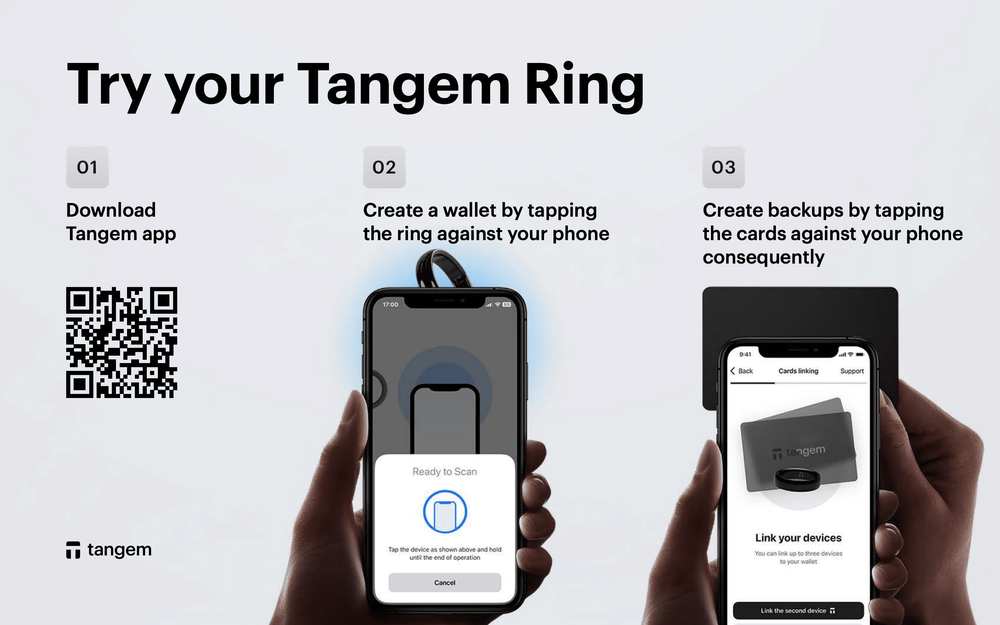
Hardware wallets represent one of the most secure methods for storing cryptocurrency, given their ability to keep private keys offline and consequently insulated from the vulnerabilities associated with internet connectivity. The hardware wallet benefits include robust protection against malware, as they require physical access for transactions. Additionally, many hardware wallets offer firmware security updates, ensuring that any emerging threats can be mitigated through regular enhancements.
Key features of hardware wallets often encompass:
- Cold Storage: Private keys are stored offline.
- Multi-Factor Authentication: Added layers of security.
- User-Friendly Interfaces: Simplifies transaction management.
- Backup Options: Recovery phrases facilitate safe restoration.
- Compatibility: Supports various cryptocurrencies.
These components together reinforce the importance of hardware wallets in securing cryptocurrency transactions.
Transferring via Software Wallets
Transferring cryptocurrency via software wallets presents a range of considerations important for secure transactions. When selecting a reliable software wallet, users must critically evaluate various factors, including the wallet’s security features, user interface, and the availability of two-factor authentication, which greatly enhances account protection. Additionally, maintaining regular software updates is essential, as these updates often contain critical security patches that defend against emerging threats and vulnerabilities.
Choosing Reliable Software Wallets
When evaluating the security of cryptocurrency transfers, selecting a reliable software wallet is essential, as the right choice can greatly influence the safety of digital assets. Numerous factors should be considered when opting for a software wallet to guarantee peak security and user experience.
- Safety Measures: Look for strong encryption protocols and multi-layered security features.
- User Reviews: Analyze feedback from existing users to gauge the wallet’s reliability and performance over time.
- Platform Compatibility: Confirm the wallet supports a variety of operating systems and devices.
- Regular Updates: Select a wallet that receives frequent updates to address security vulnerabilities and improve functionality.
Two-Factor Authentication Importance
Enhancing security during cryptocurrency transfers necessitates the implementation of two-factor authentication (2FA), a critical feature that bolsters the protection of software wallets. By requiring an additional verification step beyond the traditional username and password, 2FA markedly contributes to enhanced account security.
Key advantages include:
- Compromised Access Prevention: 2FA makes it considerably more difficult for unauthorized users to access accounts, as knowledge of login credentials alone is insufficient.
- Diverse Verification Methods: Users can utilize various methods, including SMS codes, authentication apps, or hardware tokens, providing flexibility and added security layers.
- Real-Time Alerts: Many 2FA systems notify users of suspicious login attempts, enabling prompt action to mitigate potential risks.
Regular Software Updates Necessity
Maintaining software wallets requires regular updates to guarantee ideal security and functionality, which is especially pertinent in the context of cryptocurrency transfers. The updates frequency plays an essential role in keeping the software resilient against vulnerabilities. Regular updates facilitate:
- Implementation of bug fixes: Addressing known issues stabilizes performance and prevents potential exploits.
- Introduction of new features: Enhancing user experience through innovative tools and improved interfaces.
- Compatibility upgrades: Ensuring the wallet works seamlessly with various operating systems and blockchain networks.
- Security patches: Protecting against evolving threats, which is vital in the ever-changing landscape of cryptocurrency.
How to Use Paper Wallets Safely
Utilizing paper wallets represents a secure method for storing cryptocurrency, as they are fundamentally physical copies of one’s public and private keys, providing an offline solution that mitigates risks associated with digital storage methods. To guarantee maximum security during paper wallet generation, users should only utilize reputable generators, ideally those that facilitate offline creation to minimize exposure to online threats.
Key practices for safe paper wallet storage include:
- Secure Environment: Generate wallets in a controlled, virus-free environment.
- High-Quality Print: Use secure paper and a reliable printer to avoid degradation.
- Protective Housing: Store generated wallets in fireproof and waterproof containers.
- Backup Copies: Create multiple copies for redundancy while ensuring their safety.
Utilizing Exchange Transfers
Exchange transfers serve as a fundamental mechanism for the acquisition, sale, and transfer of cryptocurrency, providing users with a platform to manage their digital assets efficiently. Through exchange trading, users gain access to heightened crypto liquidity, allowing for seamless transactions. The process typically involves several key steps:
- Account Creation: Users must register on a cryptocurrency exchange to initiate trading activities.
- Funding the Account: Depositing fiat or digital currencies enables users to participate in trading.
- Executing Transactions: Users can buy, sell, or transfer cryptocurrencies based on current market prices.
- Withdrawal to Wallet: After trading, users can withdraw their assets to personal wallets for enhanced security.
These steps guarantee optimized management of cryptocurrency holdings while utilizing the advantages offered by exchanges.
Importance of Two-Factor Authentication
How can one adequately safeguard their cryptocurrency transactions in an increasingly digital world? Implementing two-factor authentication (2FA) is paramount, as it adds an additional layer of security to online wallets and exchanges. This multi-factor security method integrates something the user knows, like a password, with something the user possesses, such as a mobile phone or hardware token. The effectiveness of 2FA lies in its ability to thwart unauthorized access even if login credentials are compromised.
Moreover, user education on recognizing phishing attacks and ensuring strong password practices is essential. Regular updates to the authentication methods and staying informed about emerging security threats further enhance this protective measure, ensuring that cryptocurrency holdings remain secure during transfers between wallets.
Best Practices for Protecting Your Assets
To effectively protect cryptocurrency assets, individuals must adopt a series of best practices that fortify their holdings against potential threats. One essential strategy is asset diversification, which involves spreading investments across multiple cryptocurrencies to mitigate risk. Additionally, employing secure storage solutions, such as hardware wallets, enhances protection against hacking attempts.
To guarantee peak security, individuals should consider the following best practices:
- Enable two-factor authentication on all wallets and exchanges.
- Immediately back up wallet recovery phrases in multiple secure locations.
- Regularly update software to patch vulnerabilities and implement security features.
- Conduct thorough research before transferring assets, confirming legitimacy and security of platforms used.
Verifying Your Transactions
Verifying cryptocurrency transactions is an integral part of maintaining security and guaranteeing the integrity of asset transfers. This process involves several key elements.
- Transaction Confirmations: Each transaction must receive a certain number of confirmations from the network, indicating its validation by a majority of nodes. Generally, a higher number of confirmations reduces the risk of double spending and guarantees legitimacy.
- Verifying Balances: Users should routinely check their wallet balances against a blockchain explorer. This practice allows them to guarantee that funds have been accurately transferred and that no unauthorized transactions have occurred.
Frequently Asked Questions
What Fees Should I Expect When Transferring Cryptocurrency?
When transferring cryptocurrency, one should anticipate transaction costs that can vary based on network congestion. Increased demand on the blockchain typically leads to higher fees, making it essential to check conditions before initiating transfers.
Can I Recover Funds Sent to an Incorrect Wallet Address?
Could misplaced treasure ever find its way home? Unfortunately, fund recovery from incorrect wallet addresses is nearly impossible, as wallet errors usually lead to permanent loss, emphasizing the need for meticulousness in cryptocurrency transactions.
How Long Do Transfers Typically Take to Complete?
Transfers typically take a few minutes to several hours to complete, depending on transaction speed and blockchain congestion. High activity periods can delay confirmations, while lower activity allows for faster processing of transactions.
Are There Limits on the Amount I Can Transfer?
Transfer limits exist, often dictated by network restrictions, akin to a bridge that only supports a set weight. Each platform may impose different ceilings, so users should verify terms before initiating significant transactions.
What Should I Do if I Suspect a Transfer Was Compromised?
If a transfer is suspected to be compromised, he should immediately secure the compromised wallet, implement security measures like enabling two-factor authentication, and notify relevant exchanges or services to mitigate potential losses and safeguard future transactions.
Conclusion
In summary, steering through the complexities of cryptocurrency transfers necessitates a meticulous approach, where the choice of wallet type, adherence to security protocols, and vigilant account monitoring play pivotal roles. As one stands on the precipice of executing a transfer, weighing the benefits of cold versus hot storage, and considering transaction fees, the stakes remain high. By employing best practices and ensuring every detail is meticulously accounted for, individuals can safeguard their assets and facilitate secure transfers in an ever-evolving digital landscape.