The protection of digital assets from prevalent crypto scams and hacks necessitates a strategic approach that encompasses multiple layers of security. Vital measures include the implementation of robust password protocols and the activation of two-factor authentication. In addition, utilizing hardware wallets for offline private key storage markedly reduces exposure to potential online threats. Understanding these components can empower users, but recognizing the diversity of scams remains essential for effective defense. What strategies can be employed to additionally enhance security?
Key Takeaways
- Stay informed about common crypto scams and fraud types to recognize and avoid potential risks in digital asset investments.
- Use strong passwords and two-factor authentication to enhance wallet security and protect against unauthorized access.
- Regularly monitor your accounts for unusual activity and enable alerts to catch potential hacking attempts early.
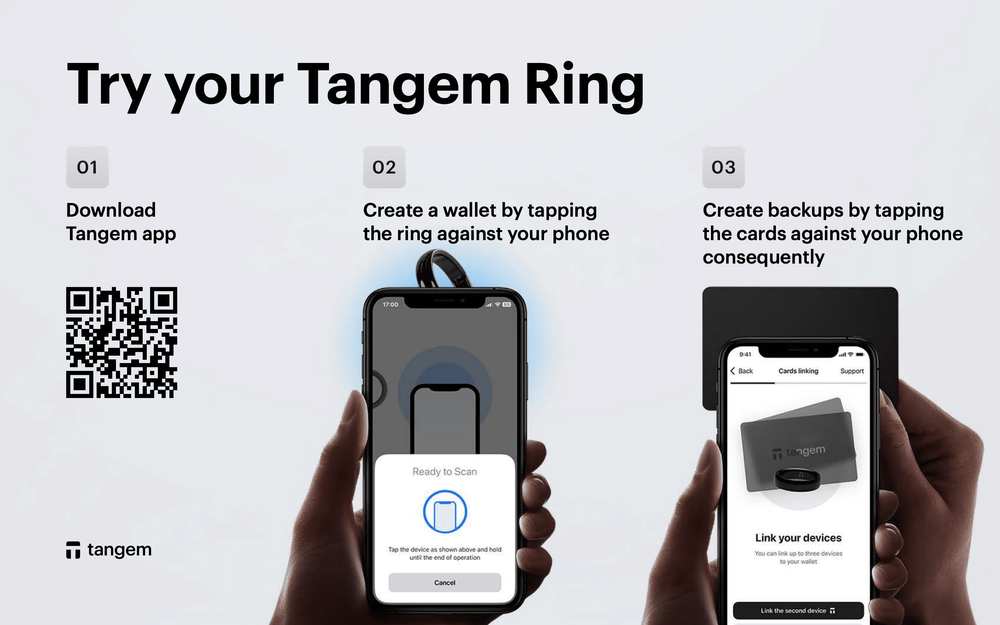
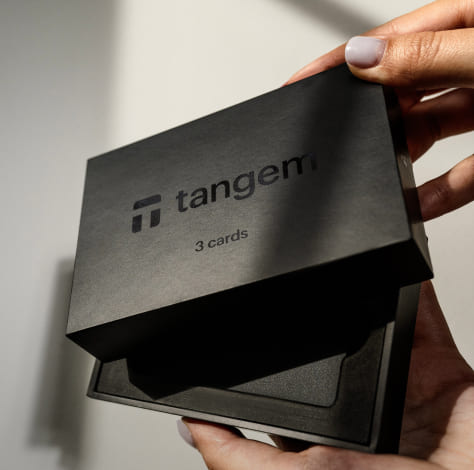
- Utilize hardware wallets to keep private keys offline, minimizing exposure to cyber threats and ensuring stronger security measures.
- Engage with online communities and follow security experts on social media for timely updates on evolving threats and proactive measures.
Understanding Common Crypto Scams
In the rapidly evolving landscape of cryptocurrencies, understanding common crypto scams has become essential for both new investors and seasoned participants, given that fraudulent schemes exploit the complexities and sometimes opaque nature of digital asset transactions. One prevalent con involves pump and dump schemes, where colluding participants artificially inflate a coin’s price through misleading promotions, only to sell off their investments at a profit, leaving uninformed investors with worthless tokens. Additionally, social engineering tactics are frequently employed, manipulating trust to extract sensitive information or funds. By recognizing these deceptive practices, individuals can better safeguard their investments and engage with the cryptocurrency market more safely, minimizing the risk of falling victim to such scams and protecting their digital assets from potential threats.
Recognizing the Signs of a Hack
Recognizing the signs of a hack is essential for maintaining the security of digital assets. Indicators such as unusual account activity, which may include unexpected transactions or changes in account settings, can serve as red flags for potential breaches. Additionally, the presence of phishing attempts—often manifesting as unsolicited emails or messages requesting sensitive information—further underscores the importance of vigilance in safeguarding personal and financial data.
Unusual Account Activity
Cryptocurrency users should remain vigilant for signs of unusual account activity, as this can often signal a potential hack or unauthorized access. Identifying such anomalies is vital for the protection of digital assets. Users should closely monitor their accounts for:
- Unusual Transactions: Any unexpected transfers, withdrawals, or deposits that deviate from a user’s typical behavior may indicate that an account has been compromised.
- Suspicious Logins: Login attempts from unfamiliar devices or locations, especially those occurring at odd hours, can signify unauthorized access.
Maintaining strong security practices, such as enabling two-factor authentication and periodically reviewing account activity, can enhance protection efforts. Remaining informed about these red flags is essential for safeguarding personal and financial information in the increasingly risky cryptocurrency landscape.
Phishing Attempts Identified
As users monitor their accounts for irregularities indicative of unauthorized access, they must also be alert to phishing attempts, a common method employed by cybercriminals to obtain sensitive information. Recognizing these phishing tactics is critical for maintaining security. Notable indicators include:
- Email Spoofing: Attackers often forge email addresses to appear trustworthy, mimicking legitimate sources, such as banks or well-known platforms.
- Generic Greetings: Phishing emails frequently use vague salutations, indicating a lack of legitimacy.
- Urgent Language: Cybercriminals utilize high-pressure language, urging immediate action to deter users from rational decision-making.
- Suspicious Links: Hyperlinks may redirect users to malicious websites, designed to capture passwords or personal information.
Best Practices for Securing Your Wallet
Securing a digital wallet is paramount to safeguarding cryptocurrency assets against potential threats. Implementing strong password usage can greatly reduce the risk of unauthorized access, as it involves creating complex combinations of letters, numbers, and symbols that are difficult to guess. In addition, utilizing two-factor authentication provides an additional layer of security, requiring both a password and a secondary verification method, which considerably enhances the overall protection of the wallet.
Strong Password Usage
Security is paramount in the domain of digital finance, particularly when it comes to safeguarding one’s crypto wallet. One essential aspect of security is strong password usage, as a well-designed password not only deters unauthorized access but also enhances overall wallet security. Password complexity is vital; a password should ideally consist of at least 12 characters, including a mix of uppercase letters, lowercase letters, numbers, and special symbols. In addition, employing password managers can facilitate the creation and storage of these complex passwords, allowing users to maintain unique passwords for different accounts without the risk of forgetting them. By adhering to these standards, individuals can greatly mitigate the risks associated with digital asset theft and enhance their financial security within the cryptocurrency landscape.
Two-Factor Authentication
Implementing two-factor authentication (2FA) is one of the most effective strategies for enhancing the security of cryptocurrency wallets, providing an additional layer of protection beyond just a strong password. By combining something a user knows, such as a password, with something they possess, like a device or authentication app, 2FA noticeably reduces the risk of unauthorized access.
Best practices for enabling 2FA include:
- Utilize reputable authentication apps, like Google Authenticator or Authy.
- Store backup recovery codes securely, away from digital devices.
- Regularly update authentication settings and change passwords.
- Avoid SMS-based verification, which is more susceptible to interception.
- Enable 2FA on all accounts associated with cryptocurrency holdings.
These measures collectively contribute to robust wallet security, safeguarding digital assets against prevalent cyber threats.
How to Safeguard Your Private Keys
Although safeguarding private keys is essential for maintaining control over digital assets, many individuals remain unaware of the various strategies that can effectively minimize their exposure to risks. One of the most secure methods for private key storage is employing a hardware wallet, which keeps keys offline and away from potential cyber threats. These specialized devices provide robust encryption and advanced security features, such as:
- Integration with multiple cryptocurrencies: Supporting a variety of coins and tokens.
- User-friendly interfaces: Simplifying the transaction process without compromising security.
- Backup and recovery options: Allowing users to regain access in case of loss or theft.
Utilizing Two-Factor Authentication
In conjunction with safeguarding private keys, utilizing two-factor authentication (2FA) greatly enhances the security of digital assets against unauthorized access. By incorporating an extra layer of protection, 2FA guarantees that only authorized users can access their accounts, which is essential in the domain of cryptocurrency.
Key features of employing 2FA include:
- Multi device setup: Users can set up authentication across different devices for greater flexibility.
- Authentication apps: These applications generate time-based one-time passwords for secure logins.
- SMS verification: A common method for receiving verification codes via text messages.
- Backup codes: Providing alternative access methods in case primary devices are unavailable.
- Enhanced security protocols: Reducing the risk of phishing and account takeovers.
Implementing 2FA can greatly mitigate potential threats.
Keeping Informed About the Latest Threats
How can individuals guarantee they remain vigilant against the ever-evolving landscape of cryptocurrency threats? Staying informed about emerging threats is essential for protecting digital assets. Individuals can utilize multiple resources, including reputable cryptocurrency news sites, forums, and online security communities, to stay abreast of current vulnerabilities and attack vectors. Regularly updating knowledge about the threat landscape enables proactive measures against potential scams and hacks.
| Resource Type | Description | Frequency of Updates |
|---|---|---|
| News Websites | Provide real-time updates on threats | Daily |
| Forums and Communities | User discussions on recent scams | Weekly |
| Social Media | Alerts and tips from crypto experts | Real-time |
| Security Blogs | In-depth analyses of threats | Monthly |
| Government Reports | Official updates on regulations | Quarterly |
Frequently Asked Questions
What Are the Most Common Types of Crypto Scams?
The most common types of crypto scams include phishing attacks that deceive users into revealing sensitive information and fraudulent investment schemes promising unrealistic returns, targeting both inexperienced and seasoned investors in the digital asset space.
How Can I Recover Funds Lost to a Scam?
“Where there’s smoke, there’s fire.” To recover lost funds, one should contact relevant authorities promptly and utilize fund recovery services. Additionally, implementing scam prevention measures can safeguard against future losses, enhancing overall financial security.
Are There Legal Protections for Crypto Investors?
Yes, legal frameworks do exist to protect crypto investors, outlining their rights and providing avenues for recourse. However, enforcement varies by jurisdiction, leaving some investors vulnerable without adequate protections against fraud and misconduct.
What Should I Do if I Suspect a Hack?
Upon suspecting a hack, the individual should promptly report incidents to their service provider. They must secure accounts by changing passwords, enabling two-factor authentication, and monitoring for unauthorized transactions to safeguard their assets.
How Can I Educate Others About Crypto Security?
To educate others about crypto security, one can organize crypto workshops and share various security resources. Engaging discussions and practical demonstrations will enhance understanding, empowering participants to recognize threats and protect their digital assets effectively.
Conclusion
To sum up, safeguarding digital assets necessitates a multifaceted approach that combines vigilance, education, and technical measures. Remarkably, the Federal Trade Commission reported that consumers lost over $1 billion to cryptocurrency scams in 2021 alone, emphasizing the urgency of these protective strategies. By understanding common scams, recognizing hacking signs, securing wallets effectively, utilizing two-factor authentication, and staying updated on threats, individuals can greatly mitigate their risk of falling prey to cyber fraud and protect their financial interests.