By Elena Hartwell | Updated: Dec 6, 2025
Editor’s Note: “This guide is maintained by the BeginnerWallets Security Team. Critical Warning: If you are reading this because you have just been hacked, please understand that blockchain transactions are irreversible. No software, “hacker,” or agency can reverse a transaction or “recover” stolen funds. Anyone claiming otherwise in the comments or social media DMs is running a recovery scam. Please use this guide to secure your remaining assets immediately.”
I know that sinking feeling in your stomach. It’s the same feeling I had in 2018 when I opened my laptop and saw my balance was zero. If you are reading this because you suspect your crypto wallet has been breached, take a deep breath. Panic is the hacker‘s best friend.
To minimize the damage and protect your remaining funds, you need to act with surgical precision.
This guide covers exactly what to do if your wallet gets hacked or compromised. We will distinguish between a crypto exchange hack and a self-custody wallet breach, as the solutions are completely different.
Step 1: Secure Your Remaining Funds Immediately (The Golden Hour)
If there are any digital assets left in your compromised wallet, speed is your only advantage.
You cannot stop a transaction that is already pending on the blockchain, but you can save what hasn’t been touched.
- Create a New Wallet: Set up a completely new wallet on a clean device (or use a trusted hardware wallet you already own). Do not import your old private key or seed phrase.
- Transfer Assets: Send your remaining Bitcoin, Ethereum, or other tokens to this new, clean address immediately.
- Gas Fees: Ensure you have enough ETH or BTC in the compromised wallet to pay for the gas fees to move the assets.
Critical Warning: If you see transactions from your wallet occurring in real-time that you didn’t initiate, a malicious script (sweeper bot) might be auto-transferring funds. In this case, manual transfer is often too slow, but it is still worth trying.
Step 2: Revoke Malicious Smart Contract Permissions
Sometimes, your private key hasn’t been stolen, but you’ve unknowingly granted a malicious contract permission to spend your crypto assets. This often happens if you interact with a phishing site promising a “free airdrop.”
If you can still access your wallet, use a tool like Revoke.cash or Etherscan to check your token allowances.
- Look for unlimited spend limits granted to unknown contracts.
- Revoke these permissions immediately to stop the attacker from draining more tokens.
Step 3: Diagnose the Breach (Exchange vs. Wallet)
To prevent this from happening again, you must understand the source of the attack. The security practices differ wildly depending on whether you use a custodial exchange or a self-custody wallet.
Scenario A: Cryptocurrency Exchange Hack (Custodial)
If your funds were on a crypto exchange (like Coinbase, Binance, or Kraken):
- The Cause: Someone likely guessed your password, performed a SIM swap, or bypassed your security.
- The Fix: Log in and freeze your account. Contact customer support immediately.
- Prevention: You must enable two-factor authentication (2FA) using an authenticator app (not SMS). If you are unable to access your wallet on the exchange, check your email for password reset notifications you didn’t request.
Scenario B: Crypto Wallet Hack (Non-Custodial)
If your hot wallet (MetaMask) or cold wallet (Ledger(Links may be affiliate links)/Trezor(Links may be affiliate links)) was drained:
- The Cause: Your private key or recovery phrase was exposed to the internet, or you signed a malicious transaction.
- The Fix: No customer support can reverse this. The blockchain is irreversible. You must abandon this wallet forever. Do not try to change the password; it won’t help because the seed phrase itself is compromised.
Hard Truths: Can I Recover Stolen Crypto?
This is the hardest part to write, but as a survivor of a hack, I need to be honest with you.
If your crypto wallet is hacked and the funds are moved, they are likely gone. Stolen funds on the blockchain are virtually impossible to retrieve unless the hacker makes a mistake or law enforcement intervenes in a massive crypto crime case.
Beware of the “Recovery” Scam
Anyone claiming they can access your crypto or reverse the hack is lying.
- Do not look for “crypto recovery services” on Google or Instagram.
- Do not trust “tech experts” in your DMs.
- These are scammers looking to steal cryptocurrency from victims a second time.
Future Prevention: How to Secure Your Crypto
Once the dust settles, you need to rebuild your security fortress. You cannot leave your assets in a vulnerable hot wallet or on an exchange.
1. Get a Cold Wallet
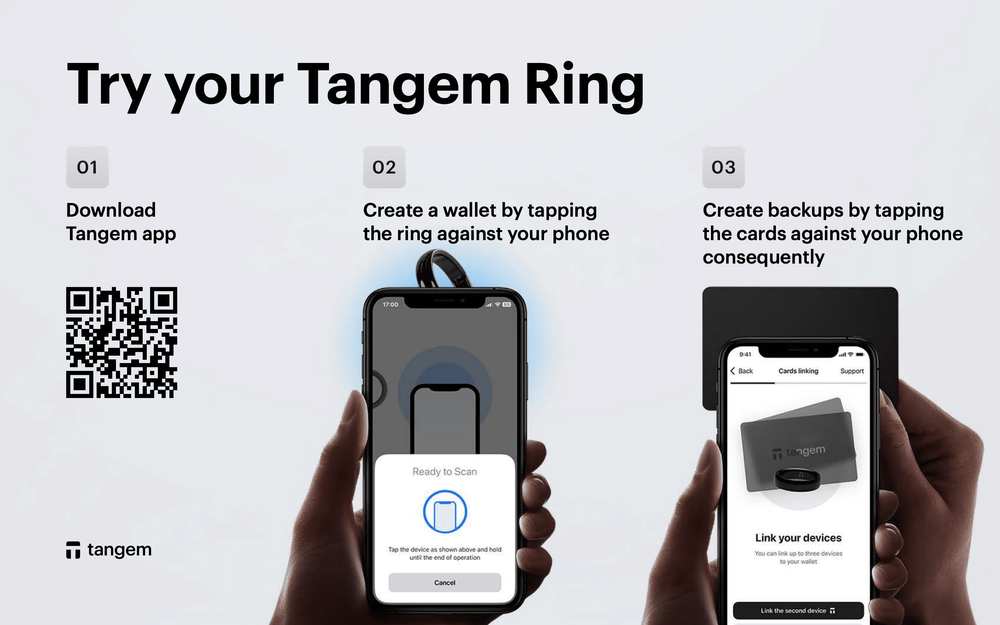
The gold standard for protecting your cryptocurrency is a hardware wallet (like Ledger, Trezor, or Tangem(Links may be affiliate links)).
- Why? It keeps your private key offline. Even if your computer has malware, the hacker cannot sign a transaction without the physical device.
- Cold storage ensures your keys are never connected to the internet.
- [Internal Link: Check out our review of the Best Hardware Wallets for Beginners]
2. Protect Your Seed Phrase
Your recovery phrase is the master key.
- Never type it into a computer, phone note, or cloud storage.
- Write it down on paper or stamp it into a metal seed plate.
- Never share it with anyone, not even a wallet provider.
Frequently Asked Questions (FAQ)
What happens if your crypto is sent to the wrong address?
Unfortunately, if you or a hacker sent funds to the wrong address, they are lost. Blockchain transactions do not have a “cancel” button. This is why verifying wallet addresses before sending is crucial.
My wallet is connected to the internet, is it safe?
Hot wallets (like MetaMask) are always connected to the internet, making them more vulnerable to malware and phishing. We strongly recommend moving significant amounts to cold storage, which keeps your private keys offline.
Can I use the same hardware wallet after a hack?
Yes, BUT you must fully reset the device. You need to wipe it to factory settings and generate a completely new wallet with a new recovery phrase. Never reuse the 24 words from a compromised wallet.
Why are there small transactions from my wallet I didn’t make?
This is often a “dusting attack” or a sign of a sweeper bot. The attacker might be testing if the wallet is active. If you see this, assume the wallet was compromised and move any remaining value immediately.
Conclusion
If your wallet has been hacked, the loss of digital assets is painful. However, this experience can be the turning point where you become serious about wallet security.
By moving to cold storage, understanding vulnerabilities, and learning to spot phishing, you ensure that no attacker can ever steal crypto from you again. Stay vigilant, and start fresh with a secure setup today.